Wheels Up announced its third-quarter results on November 5, and the headline is a changing of the guard inside its own membership base. For the first time, revenue and memberships from the Signature program surpassed the legacy programs the company has been winding down since April. Signature counted more than 1,500 members at the end of September, up 130 percent since the start of the year, while legacy memberships had fallen 62 percent following the announced wind-down.
“The third quarter marked an important inflection point for Wheels Up as the strategic actions we took earlier this year began to translate into stronger commercial and operational performance,” said George Mattson, Wheels Up’s chief executive officer.
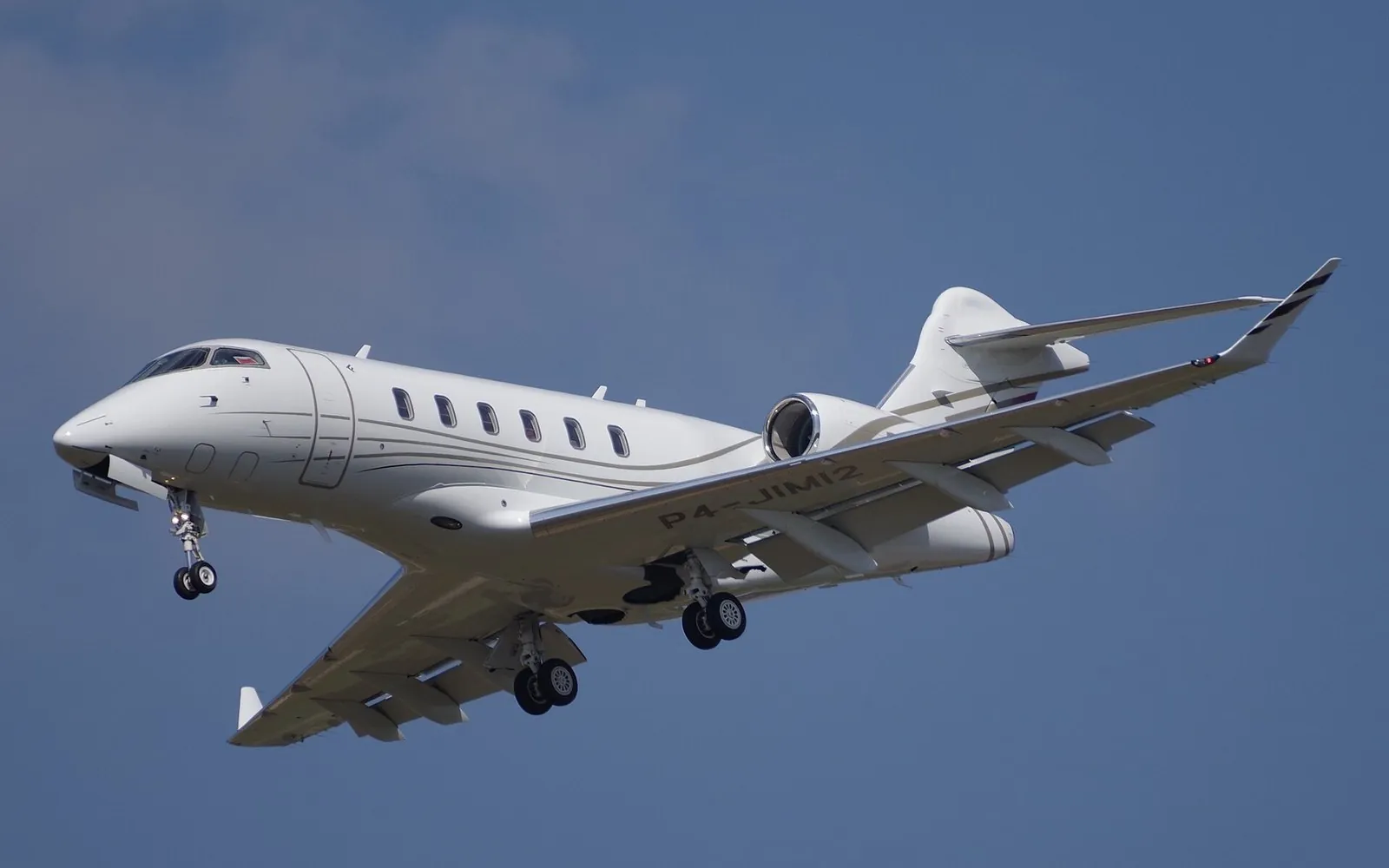
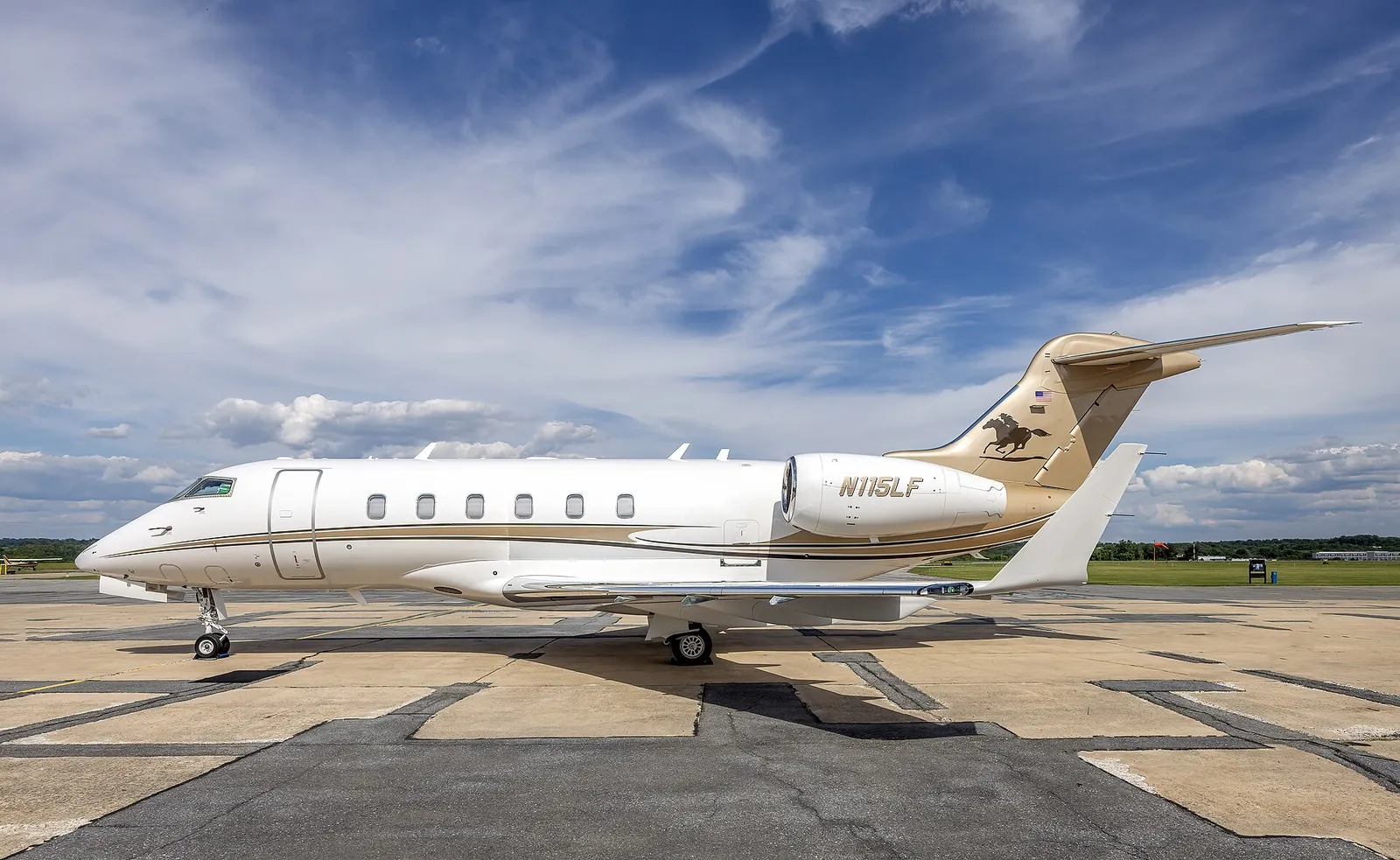
The fleet behind the program explains the shift. Wheels Up’s premium fleet of Embraer Phenom and Bombardier Challenger aircraft grew from 24 to 43 aircraft in a year, a rise of 79 percent, and revenue from those types rose 120 percent in the quarter. Legacy fleet revenue fell 44 percent as the older types leave service; the company retired its legacy fleets from revenue flying in April 2026, and it plans to complete the full sunset of the legacy membership programs in 2027.
A first order for factory-new aircraft
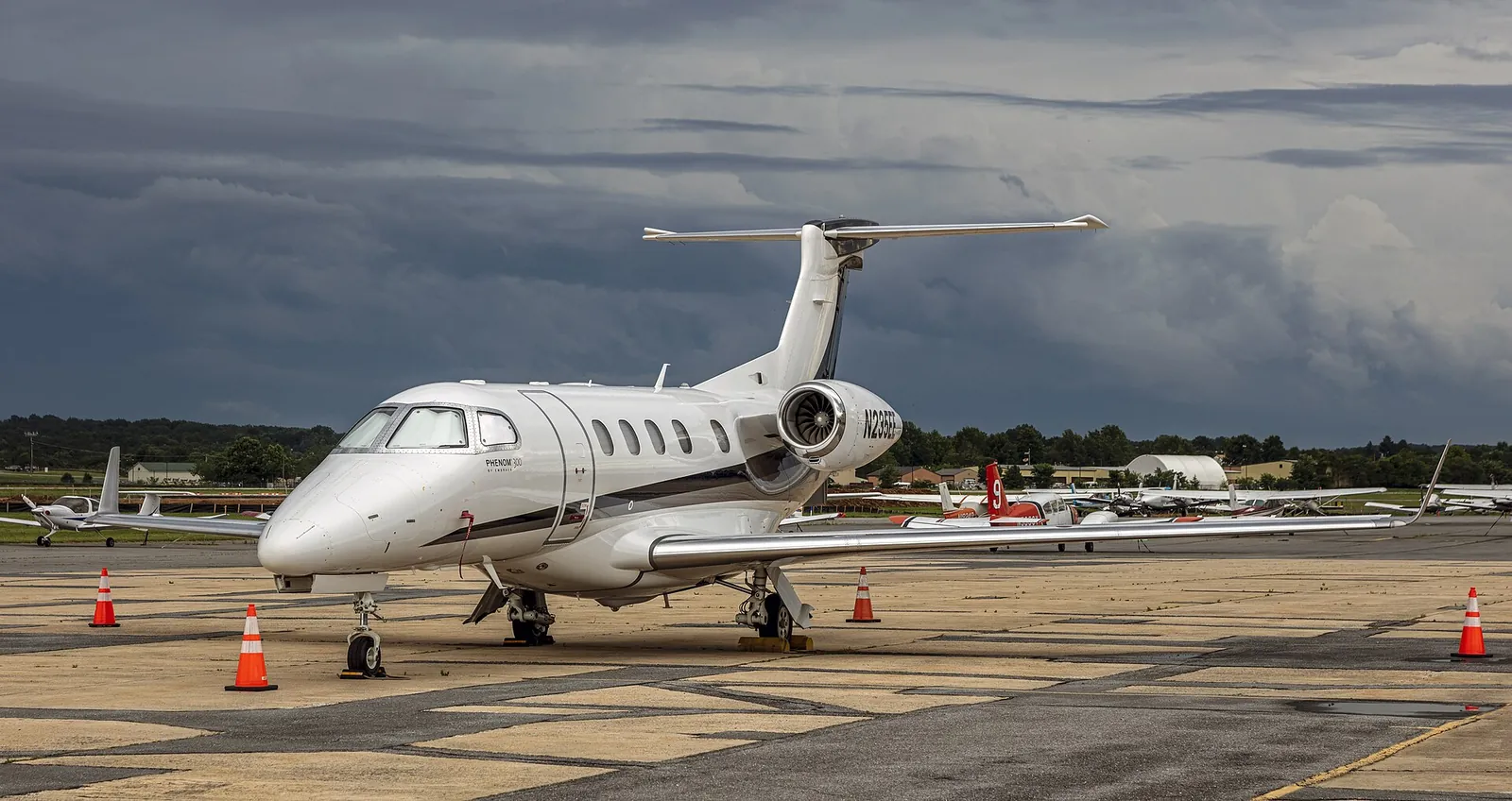
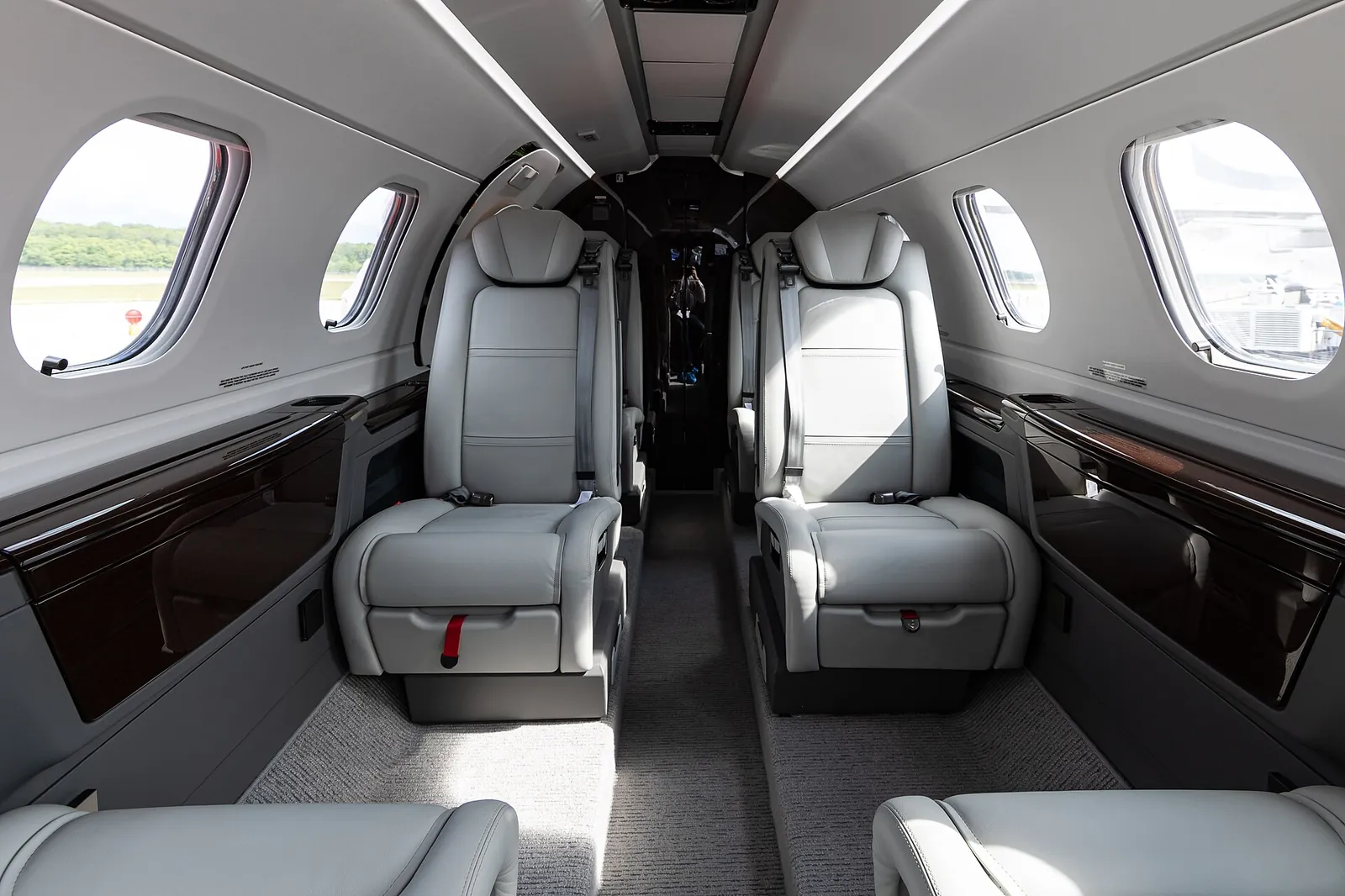
The results came with an order. Wheels Up has agreed to buy six factory-new Embraer Phenom 300E light jets, with deliveries expected in the third and fourth quarters of 2027. Coverage of the deal described it as the company’s first direct order for new-build aircraft; the modernised fleet has until now been assembled from the pre-owned market. The company’s quarterly filing puts the aggregate purchase price at about $90 million.
The Phenom 300 series is the smaller half of the premium fleet, and it is worked hard: the company reports utilisation of 55.8 hours for the Phenom 300 series in the quarter, against 66.9 hours for the Challenger 300 series. The six new aircraft are there to keep capacity ahead of the demand Signature is creating, the company says.
Smaller revenue, better shape
The transition still shows in the totals. Revenue fell 11 percent to $164.8 million, with about three points of the decline attributed to the disposition of non-core services businesses in the third quarter of 2025, and private jet flight revenue fell 7 percent to $143.9 million. Total gross bookings were $225.4 million, down 15 percent. Against that, gross profit improved by about $16 million to $15.2 million, the adjusted EBITDAR loss narrowed by 44 percent to $13.2 million, and the net loss widened to $89.4 million.
What Signature sells is a different contract from the one it replaces. The legacy programs were built on fixed-rate jet cards; Signature, launched in September 2025, is built around the company’s dynamic pricing model, with access to the premium Phenom and Challenger fleet and pricing that moves with demand. The legacy programs stopped selling in March, and of the more than 500 new Signature members added since the start of the year, the largest cohort is former members making the switch. The sunset asks the remainder to change how they buy flying, not merely which aircraft they board.
The new aircraft will arrive with satellite Wi-Fi already installed, matching a premium fleet the company says is now entirely satellite Wi-Fi equipped. Mattson described the factory order as opportunistic rather than a change of strategy: fleet growth still runs mainly through the pre-owned market, but demand for Signature was strong enough to justify taking new-build positions for the second half of 2027.
Operationally, the company reports its strongest figures yet: a completion rate of 99.3 percent, on-time arrival within 30 minutes on 86.4 percent of flights, and 163 days in the first nine months with a perfect completion rate and no operational cancellations, which it calls Brand Days. Delta Air Lines, its strategic partner, has committed an additional $100 million revolving credit facility, strengthening liquidity as the fleet renewal proceeds. In September the company replaced its carbon offsetting program with an enhanced sustainable aviation fuel offering, delivered through Delta’s supply on a book-and-claim basis regardless of operator or departure airport, and in early October it launched a refreshed brand campaign, The Right Way to Fly.
Whether the economics follow the operational gains depends on the same numbers that improved this quarter: utilisation, completion and the gross margin that fleet renewal has so far delivered at the cost of reported revenue. The crossover quarter at least settles the question the restructuring posed. The membership base now belongs to the new program, the fleet is the one the program was designed around, and from 2027 the company will take delivery of new aircraft to keep it that way.
Photography: Acroterion, CC BY-SA 4.0, via Wikimedia Commons