The business aviation fleet story of 2026 is not one story at all. It is four, told simultaneously by the four largest players, and each is spending in a different direction.
NetJets: scale at both ends
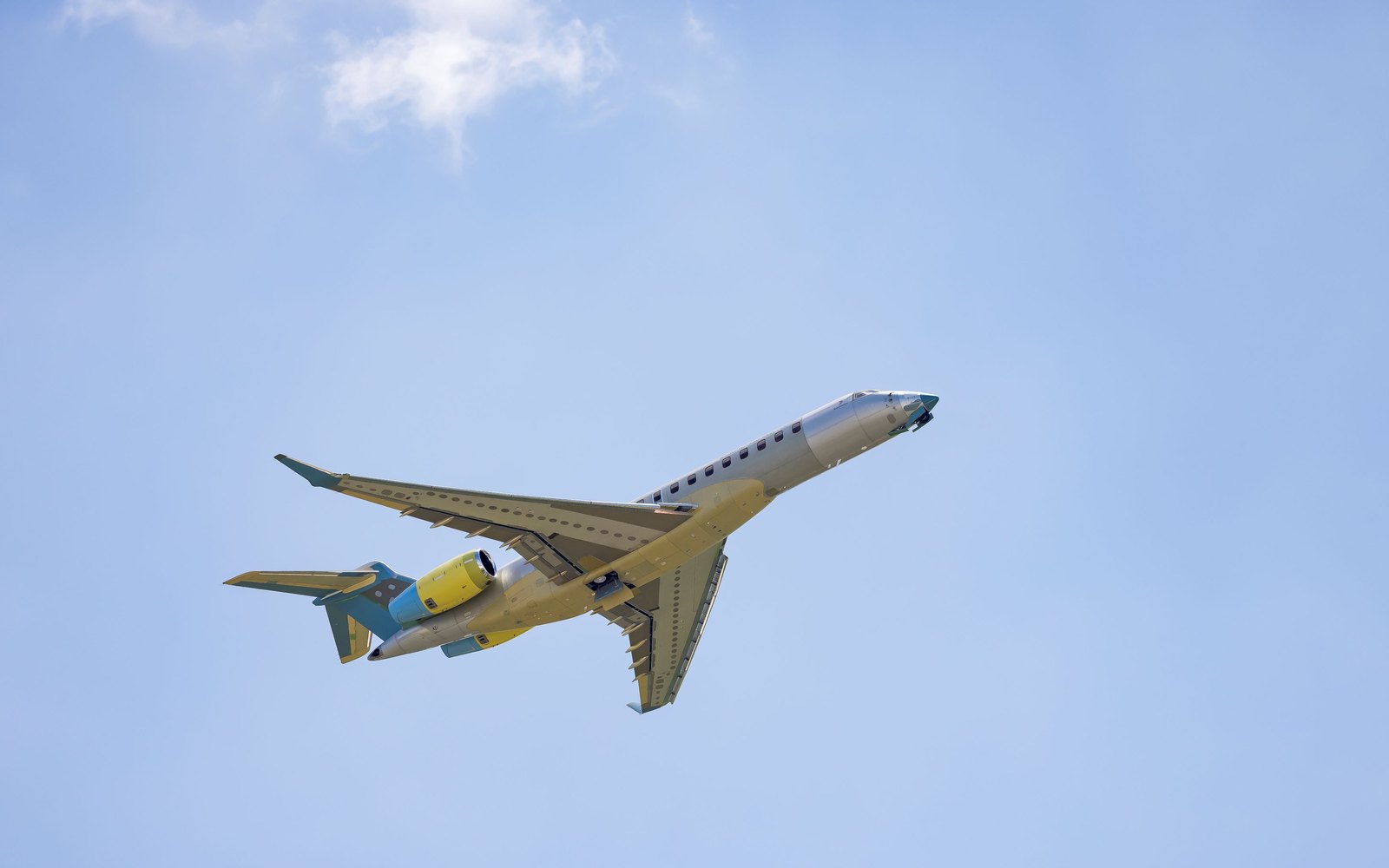
NetJets took delivery of the first Bombardier Global 8000 on March 26, 2026, at the Laurent Beaudoin Completion Centre, and as fleet launch customer it plans a 24-aircraft fleet, working with Bombardier to upgrade its entire in-service Global 7500 fleet to Global 8000 configuration. Bombardier positions the aircraft as the fastest civil aircraft since Concorde: top speed Mach 0.95, range 8,000 nautical miles (16.75 hours), cabin altitude 2,691 feet.
At the other end of the size spectrum, Textron Aviation delivered the first three Citation Ascends to NetJets on May 5, 2026, with NetJets again the fleet launch customer and expected to take 15 Ascends in 2026. The Ascend received FAA certification in November 2025. Aviation Week lists it at $18.2 million, seating 7 to 12, with a 441 ktas max speed and 1,940 nm four-passenger range. The deliveries fall under the 2023 record fleet agreement giving NetJets options for up to 1,500 Cessna Citations over 15 years.
NetJets says it expects to take delivery of 80 or more factory-new aircraft in 2026. As of December 2025 its fleet stood at 826 aircraft, and it is exiting its Citation XLS, Citation Sovereign and Falcon 2000 fleets. Out with the older mid-size iron, in with factory-new aircraft at both ends of the range.
Vista: the Challenger doubling down
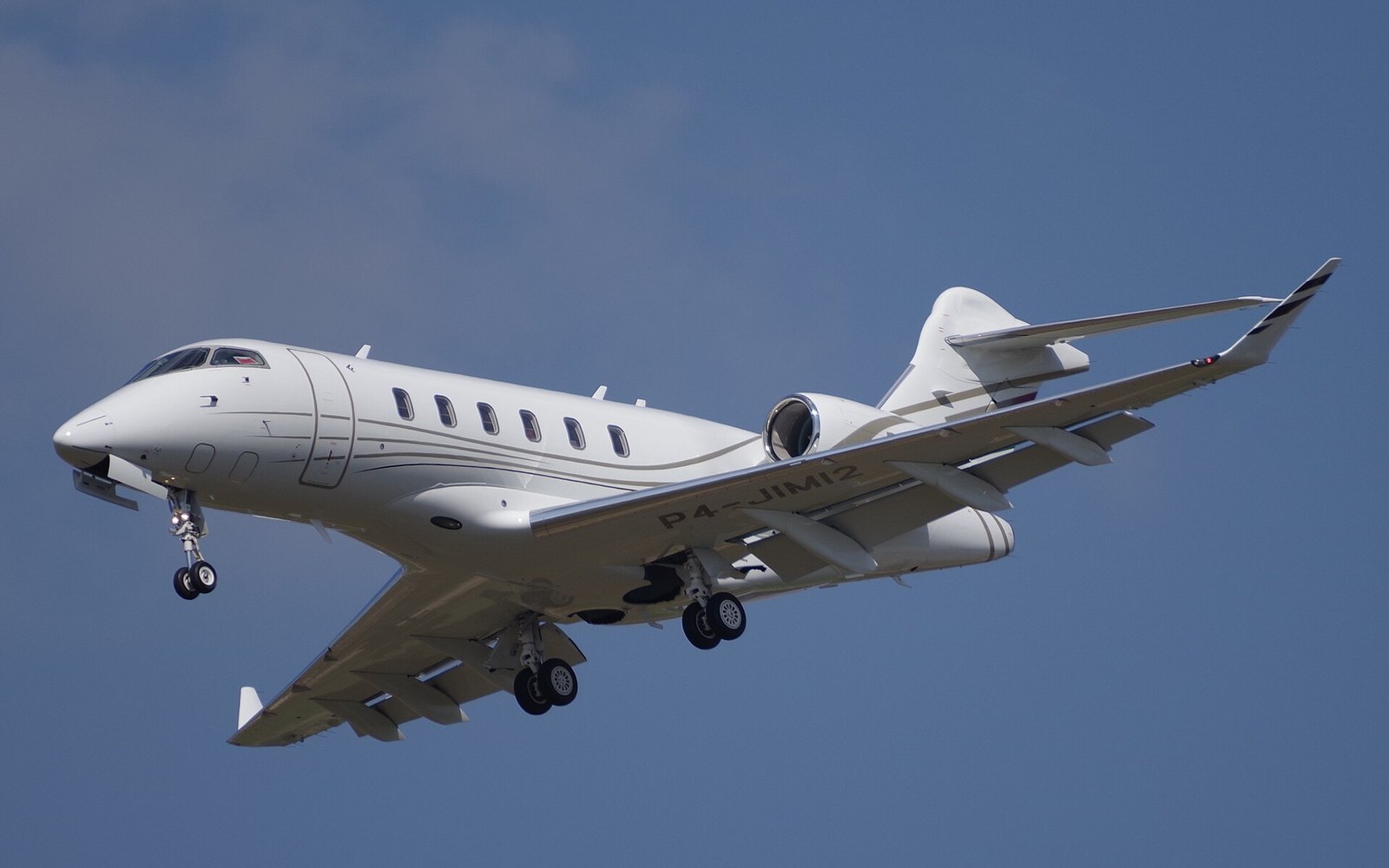
On February 11, 2026, Vista placed a firm order for 40 Bombardier Challenger 3500s with options for a further 120, deliveries beginning in 2026 and phased over up to 10 years. The firm order was reported at approximately $1.18 billion; fully exercised with all 120 options, the deal would reach about $4.72 billion. Those figures are trade-press reported, not from Bombardier or Vista releases, and should be read accordingly.
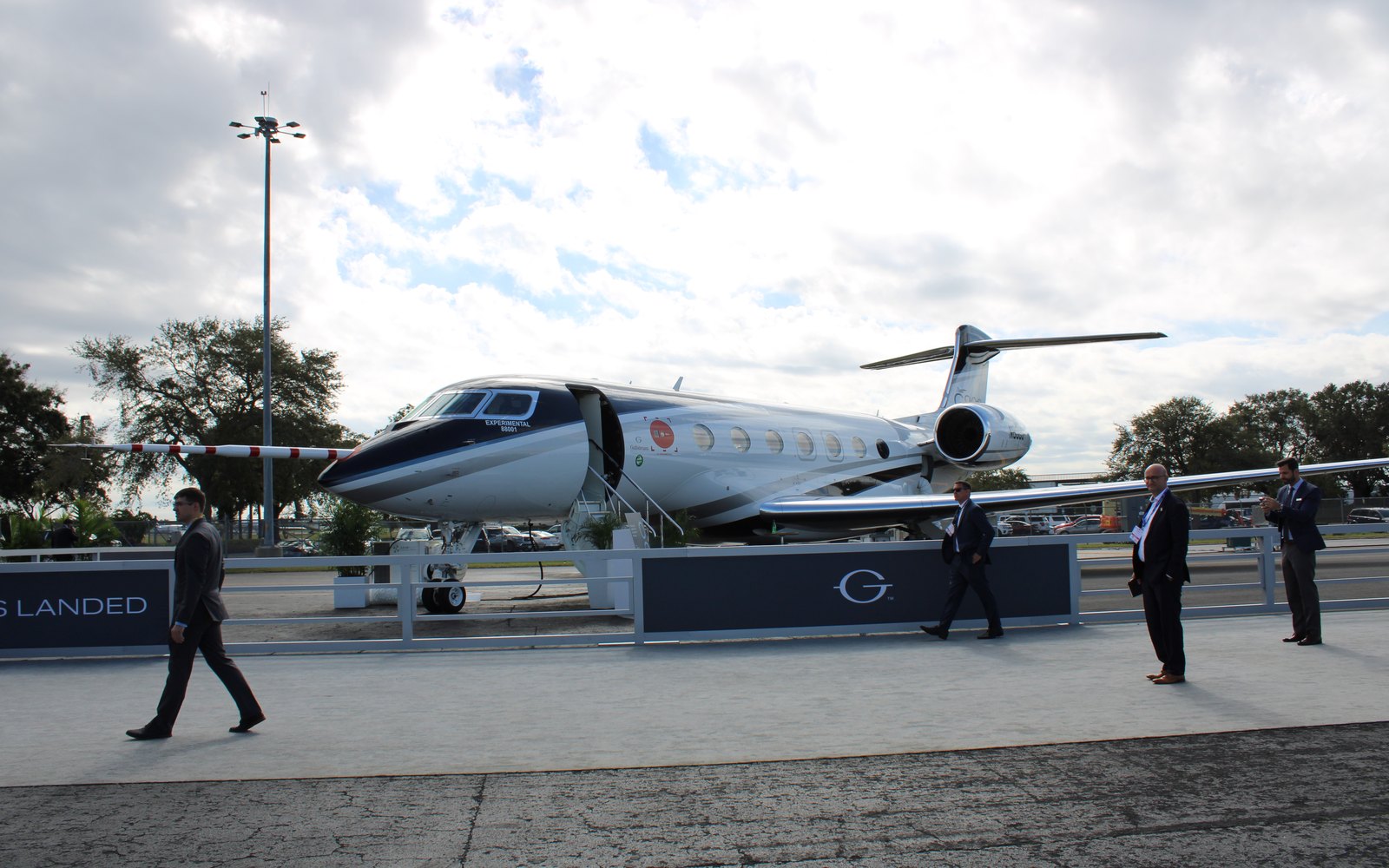
Vista also took its first Global 8000 into the fleet in 2026, but as an upgraded Global 7500 rather than a new delivery. The company is converting all 18 of its Global 7500s to the 8000 standard at about two aircraft per month, targeting completion by year end. Where NetJets buys new 8000s outright, Vista gets there by conversion. Different accounting, same cabin.
Flexjet and Wheels Up: the Embraer play and the sale-leaseback
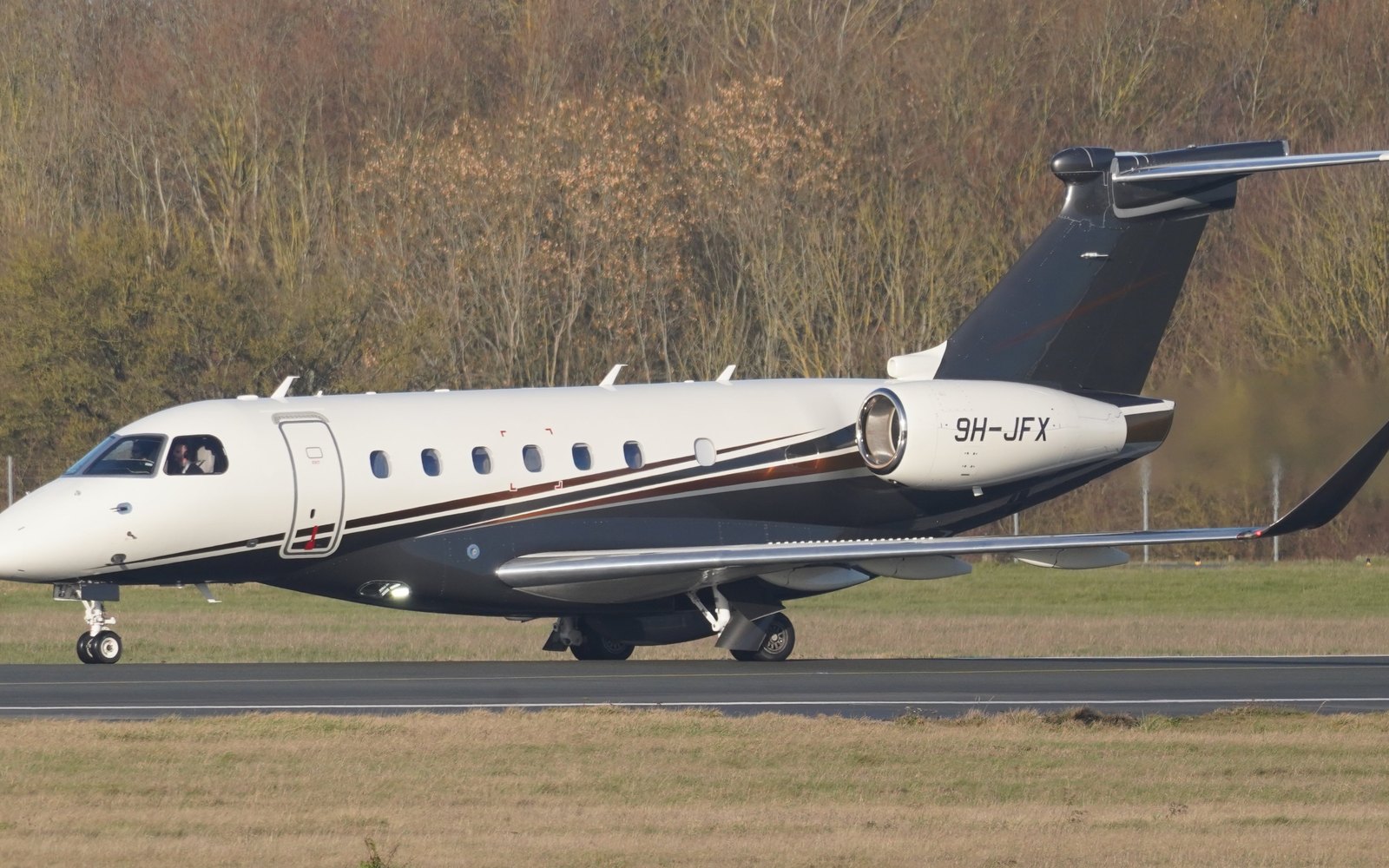
Flexjet took delivery of the first Embraer Praetor 600E on September 18, 2026 as launch customer, under the February 2025 agreement valued at up to $7 billion covering 182 firm aircraft plus 30 options. It expects 12 Praetor 600Es by year end 2026 plus its first Praetor 500E in the fourth quarter (see our story on the delivery). Flexjet had previously said it planned to add 12 Gulfstream G700s by 2026, announced in 2025, though that is thin-sourced background rather than a fresh commitment.
Wheels Up is playing a different game. In December 2025 the company said it had acquired or entered definitive agreements to acquire 10 additional Challenger and Phenom aircraft in the fourth quarter, with plans to significantly expand those fleets in 2026. To fund it, it entered a sale-leaseback on 10 aircraft, three Challenger 300s and seven Phenom 300s, for approximately $105 million. Its first Gogo Galileo HDX-equipped Phenom 300 entered service in the same announcement.
| NetJets | 80+ factory-new aircraft expected in 2026; first Global 8000 delivered March 26; first three Citation Ascends delivered May 5 |
|---|---|
| Vista | 40 firm Challenger 3500s plus 120 options, ordered February 11; 18 Global 7500s converting to 8000 standard by end of 2026 |
| Flexjet | First Praetor 600E delivered September 18; 12 expected by year end 2026; first Praetor 500E in Q4 |
| Wheels Up | 10 Challenger and Phenom aircraft acquired in Q4 2025; $105M sale-leaseback funding 2026 expansion |
One caveat runs across all of this: the 2026 figures expire. The delivery targets, the conversion schedule and the 80-plus figure are all framed against a year end that is now weeks away. The direction of travel is what matters. The four fleets are converging on the same conclusion: the aircraft that count going forward are the ones built in the last few years, or upgraded to match them.
Photography: Andre Gerwing, CC BY-SA 4.0, via Wikimedia Commons