Textron has settled the question of what kind of company it intends to be. On November 18 the Providence, Rhode Island group announced a definitive agreement to sell its Industrial segment, comprising the Kautex and Textron Specialized Vehicles businesses, to an affiliate of Kingswood Capital Management for $1.2 billion in cash. Textron expects to keep roughly $1.1 billion of the price in cash once tax and deal expenses are paid. On closing, expected in the first half of 2027, what the company calls New Textron will be a pure-play aerospace and defense company, built entirely around Textron Aviation, Bell and Textron Systems.
Chief executive Lisa M. Atherton described the agreement as “a defining milestone” which will, she said, “establish Textron as a premier, pure-play aerospace and defense company,” and said the sale sharpens the group's focus on its core aerospace and defense businesses while returning capital to shareholders. The announcement closes a process the company opened in April, when it said it was weighing a sale or a tax-free spin-off of the segment; Reuters and Aviation Week both date the separation plan to that April announcement.
What is being sold
Kautex is an automotive supplier of plastic fuel systems and battery enclosures, with no connection to aviation beyond sharing a parent. Textron Specialized Vehicles is closer to the airport fence: alongside the E-Z-GO golf cars and Cushman and Jacobsen utility and turf vehicles it is best known for, the business includes the TUG Technologies and Douglas Equipment lines of airport ground support equipment, the baggage tractors and tow tractors that work the ramp beneath the aircraft this publication usually writes about. The sale includes every Industrial brand: Kautex, Pentatonic, Textron Specialized Vehicles, E-Z-GO, PACE Technologies, TUG Technologies, Douglas Equipment, Premier, Safeaero, Ransomes, Jacobsen and Cushman.
What remains
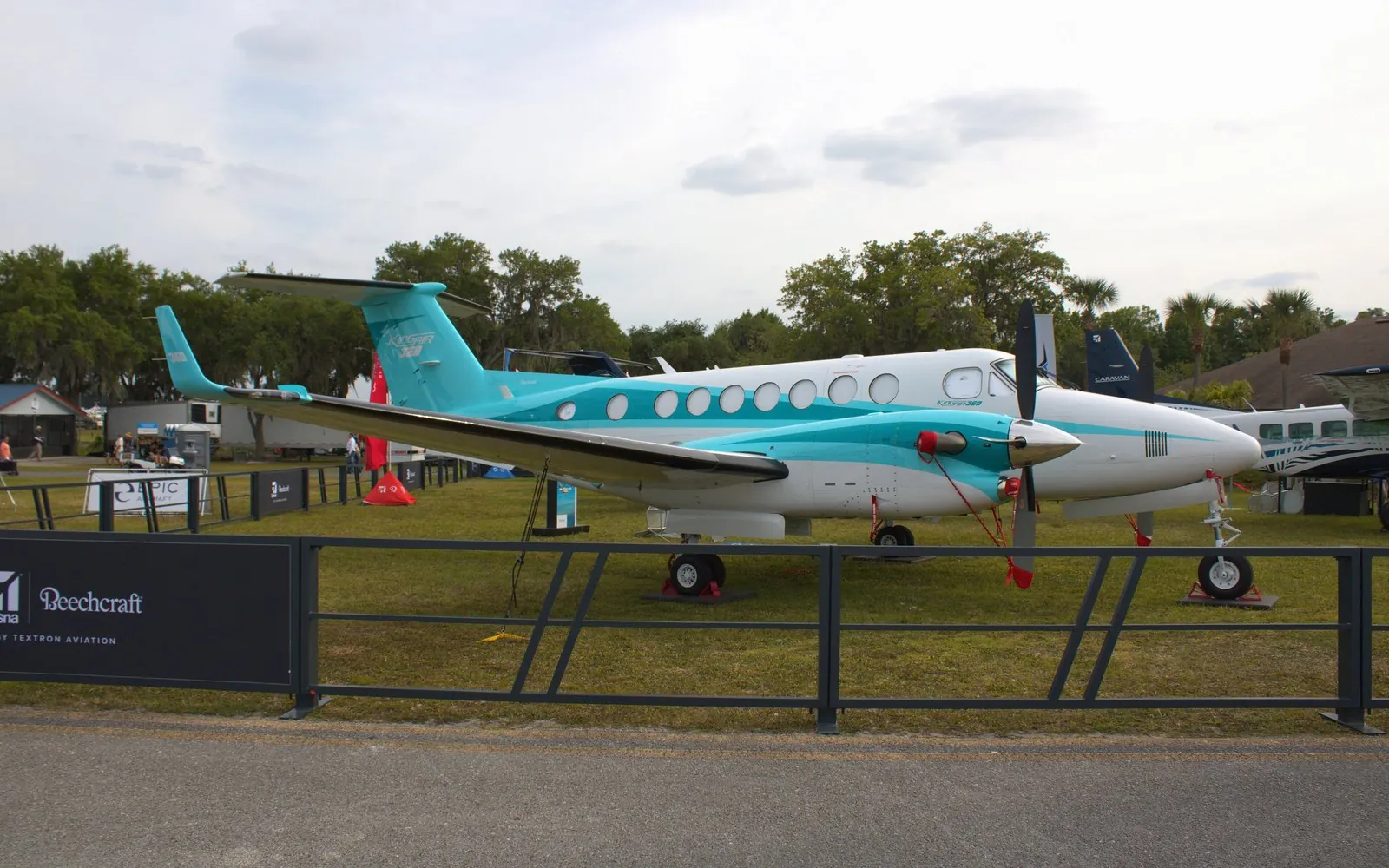
The company Textron is choosing to become is substantial. New Textron carries more than $12 billion in expected 2026 revenues and a $19 billion backlog across its three remaining businesses: Textron Aviation, which the release describes as continuing to lead general aviation under the Cessna and Beechcraft brands; Bell, in military and commercial rotorcraft; and Textron Systems, in defense products and services. Textron says it remains committed to a strong balance sheet and to its existing capital priorities, including research and development and capital expenditure, and it expects to fund additional share repurchases in 2027 from the sale proceeds. Its board has authorized the repurchase of up to 35 million shares, an authorization that replaces the previous one approved in February 2026.
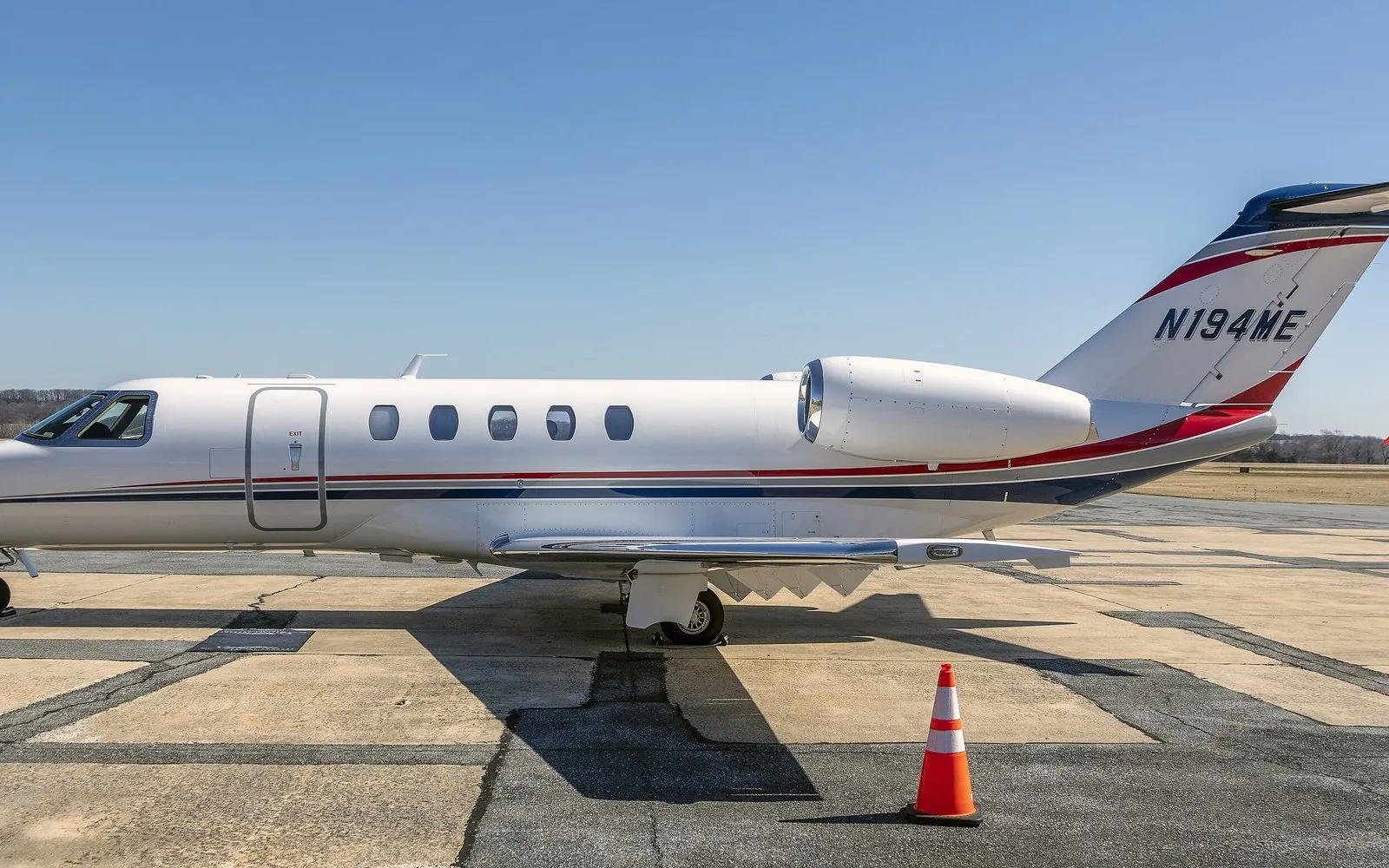
For the aviation business, the practical effect is a parent with one industry to serve. Textron Aviation enters this corporate change mid-cycle and in reasonable health: it delivered 51 Citation jets in the third quarter, up from 42 a year earlier, on segment revenue of $1.7 billion, with an $8.0 billion backlog at the end of September. Its development workload is concentrated in the Citation Gen3 light jets. In an update published on October 19, Textron Aviation said the CJ4 Gen3, CJ3 Gen3 and M2 Gen3 programs had accumulated more than 1,220 combined flight test hours toward Federal Aviation Administration certification, each of them fitted with Garmin Emergency Autoland, and that the CJ4 Gen3 program alone had logged nearly 1,100 hours across two test articles.
Terms, timing and what to watch
Closing is slated for the first half of 2027, once regulators have approved the deal and the usual conditions are met, and it has not closed yet: until then, Kautex and Textron Specialized Vehicles remain Textron businesses. Following the board's approval of the sale, the Industrial segment will be classified as held for sale and presented as discontinued operations beginning in the fourth quarter of 2026, including in the company's annual report for the year ending January 2, 2027. Goldman Sachs served as Textron's exclusive financial advisor and Latham and Watkins as its legal advisor. Kingswood Capital Management is a Los Angeles based investment firm that partners with middle-market companies.
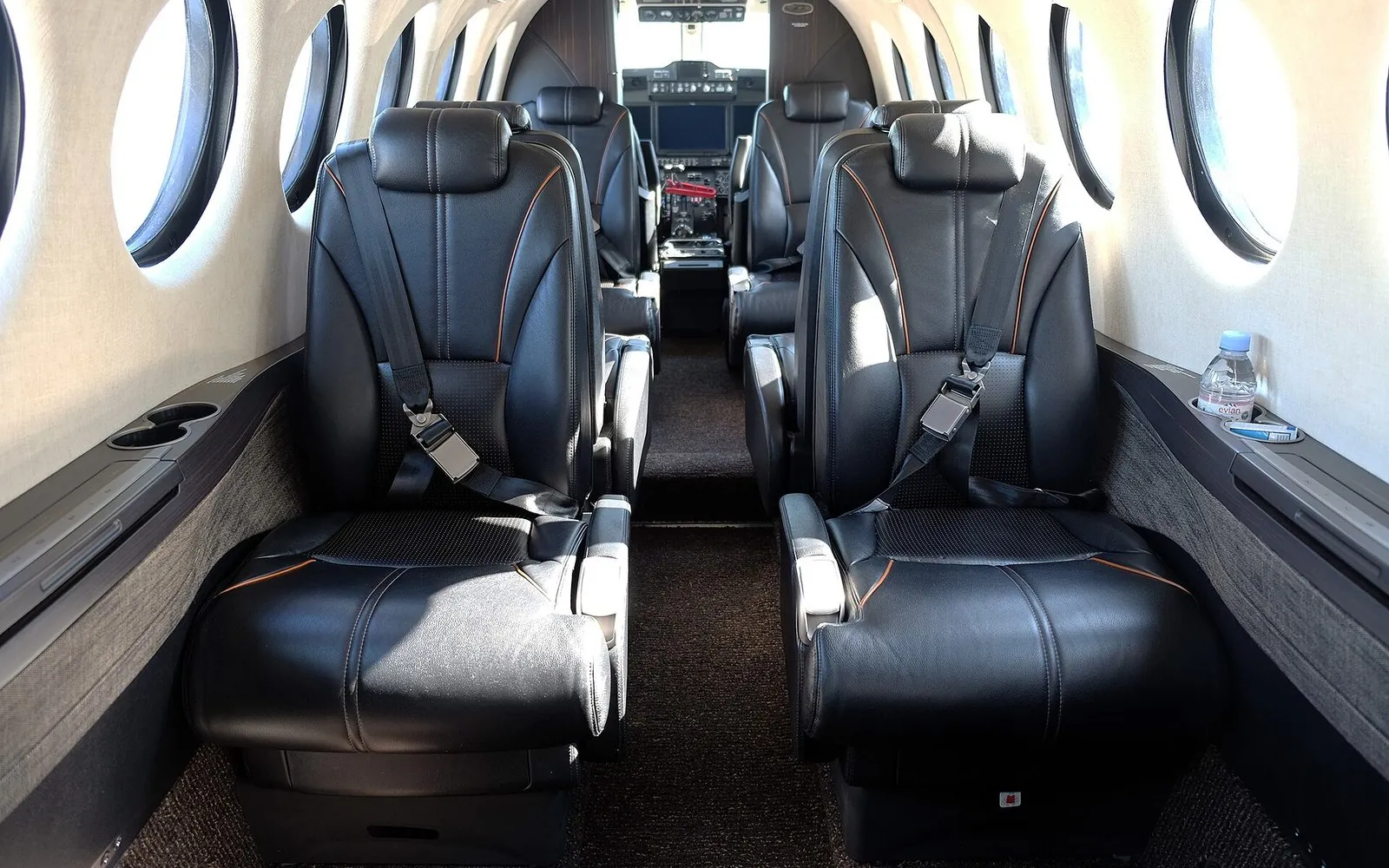
Two questions will decide how much this matters to aircraft buyers. The first is allocation: whether the proceeds and the simplified structure translate into visible investment in the Citation and King Air lines, whose customers buy support and continuity as much as airframes. The second is execution: a first-half 2027 closing leaves a long interval in which two workforces, the one leaving and the one staying, work under an announced separation. Neither question is answered by the announcement itself. What the announcement does settle is direction. After the closing, every dollar Textron earns will come from aircraft, rotorcraft and defense systems, and its aviation division will no longer share a parent with golf cars and fuel tanks.
Photography: Acroterion, CC BY-SA 4.0, via Wikimedia Commons