The business jet industry reports its health four times a year, and the third-quarter round, completed this month, reads consistently across the three manufacturers that published full results. Textron reported on October 29, Bombardier on November 5 and Embraer on November 10. None delivered dramatically more aircraft than a year ago. All of them sold more than they delivered, earned more from looking after the fleet already flying, and ended September with order books reaching further into the future than they did in June. Gulfstream delivered 40 aircraft in the same quarter; its production plans were covered in our report of November 6.
Bombardier: services set the record
Bombardier delivered 33 aircraft in the quarter, one fewer than a year earlier, and grew revenue by 3 percent to $2.4 billion. The growth came from the side of the business that does not hand over keys. Services revenue reached $701 million, up 19 percent, a quarterly record and the first time the figure has passed $700 million. Bombardier attributes the rise to continued growth of its service network and to high utilisation of the fleet its customers already operate, a fleet the company puts at approximately 5,300 aircraft supported from 10 service centres in six countries.
Orders did the rest. The unit book-to-bill ratio was 1.7 times for the quarter and 2.1 times for the first nine months, lifting the backlog to $22.2 billion at September 30, an increase of $4.7 billion since the end of 2025. Adjusted EBITDA rose 7 percent to $382 million, free cash flow rose 20 percent to $183 million, and the company raised its full-year free cash flow guidance for the second time this year, to more than $1.3 billion from more than $1.0 billion. President and chief executive Eric Martel said the company was entering the final stretch of the year with, in his words, “solid visibility on all remaining deliveries.” Reported net income eased 5 percent to $81 million, while adjusted net income rose 41 percent to $182 million.
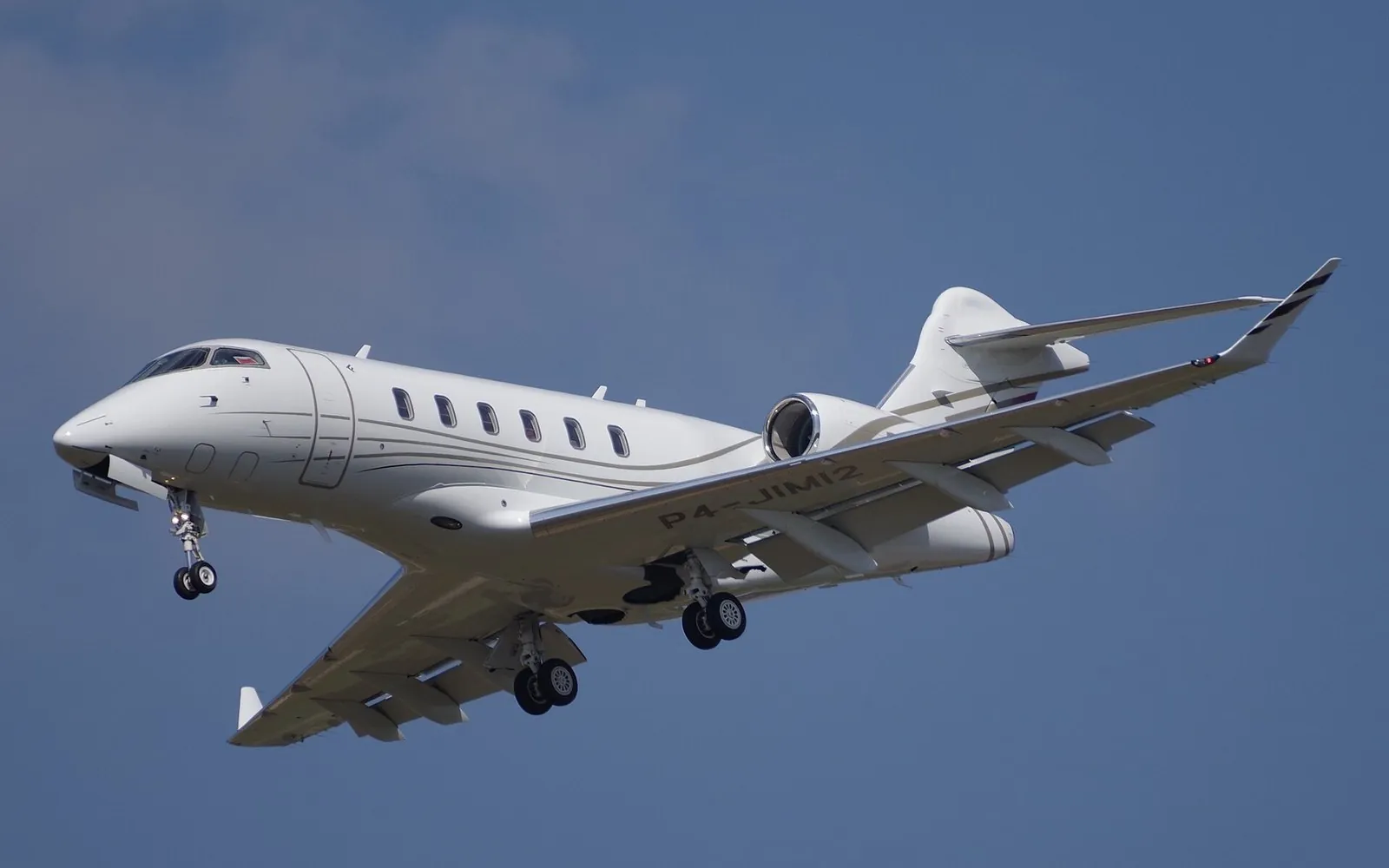
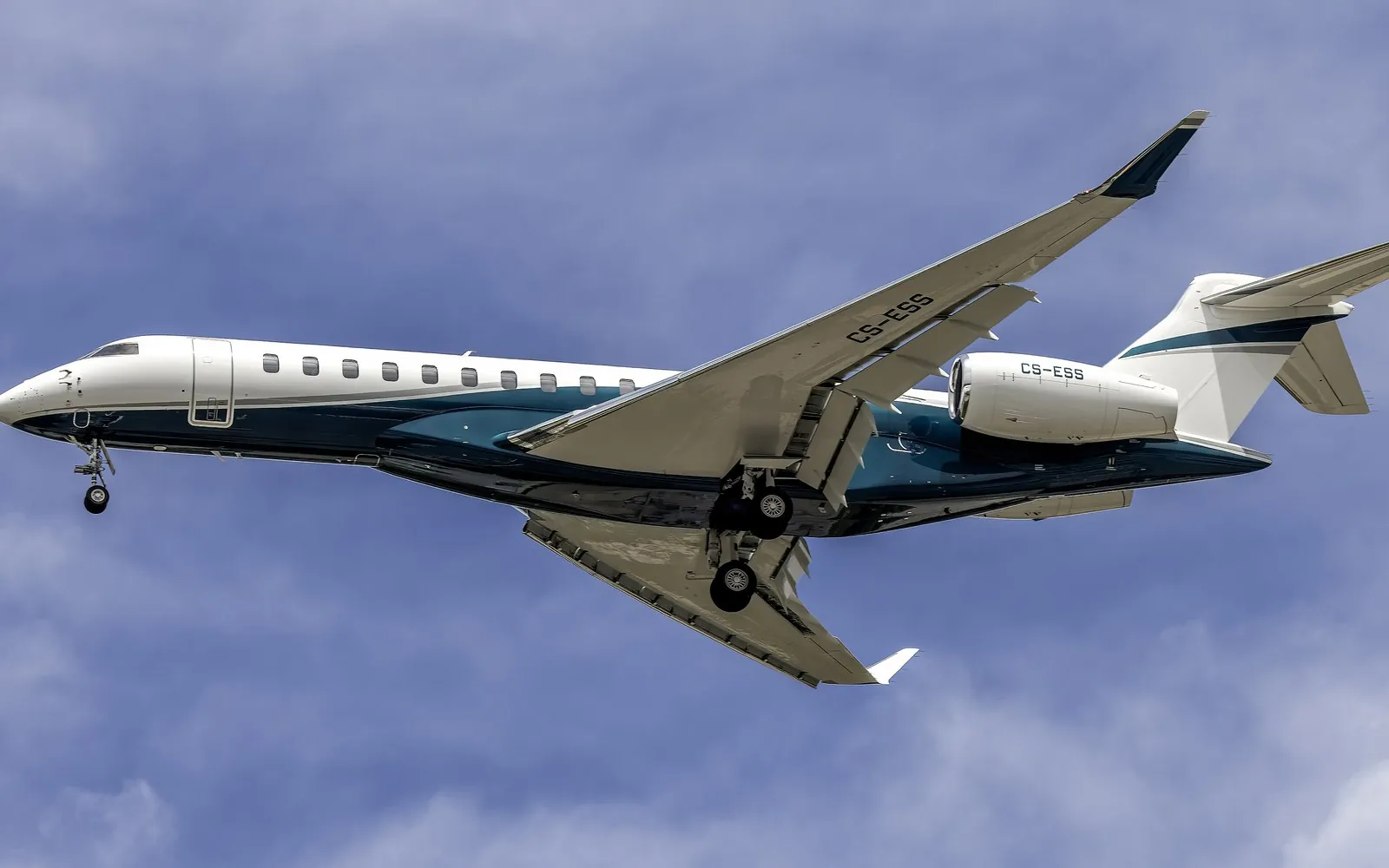
The delivery mix, reported by Aviation International News from the company's results, was 12 Challengers and 21 Globals in the quarter, and 89 aircraft across the first nine months, with Challenger deliveries down six units at 40 and Global deliveries up two at 49. Bombardier reaffirmed guidance to deliver more than the 157 aircraft it handed over in 2025. On the nine-month figure, that promise requires at least 69 deliveries in the fourth quarter, roughly double the third-quarter rate, which is the normal seasonal shape of this industry and the test the company's visibility claim will be judged against.
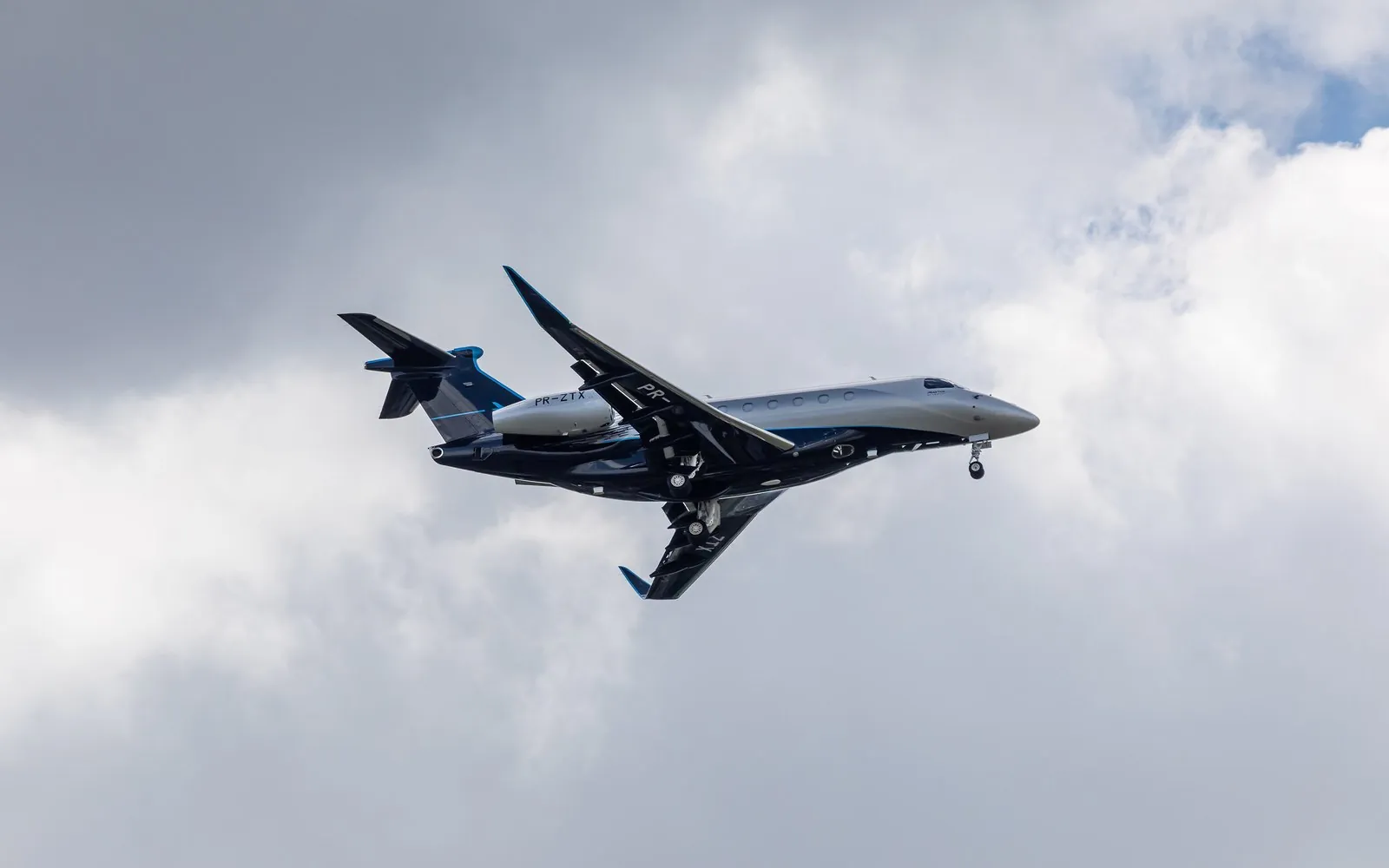
Embraer: the volume line holds, the backlog climbs
Embraer delivered 41 executive jets in the quarter, the same number as a year earlier, split between 22 small jets and 19 medium jets. Executive Aviation revenue rose 12 percent to $655 million, which the company attributes to higher prices and product mix rather than volume. Across the first nine months the division delivered 115 executive jets, against 102 in the same period of 2025, and it held its full-year guidance of 160 to 170 executive deliveries. Company-wide, Embraer delivered 66 aircraft in the quarter and posted record third-quarter revenue of $2.3 billion, up 17 percent, with adjusted EBIT of $254.8 million at a 10.9 percent margin.
The backlog is the headline. Executive Aviation's order book reached a record $8.2 billion, up 12 percent year over year, and the company-wide backlog reached a record $35.7 billion, its eighth consecutive quarterly record. Embraer also raised its company guidance, to revenue of $8.4 billion to $8.6 billion and adjusted free cash flow, excluding Eve, of $700 million or more. Reporting on the company's results call, Aviation Week said Embraer is working toward 200 executive jet deliveries a year by 2028 and is currently taking orders for delivery positions in 2030. The division's newest product, the Phenom 300EV launched in July with Garmin Emergency Autoland, received triple certification from ANAC, the FAA and EASA on August 25, the first light jet certified with the system, and first deliveries are slated for late 2028, according to Embraer and Aviation International News.
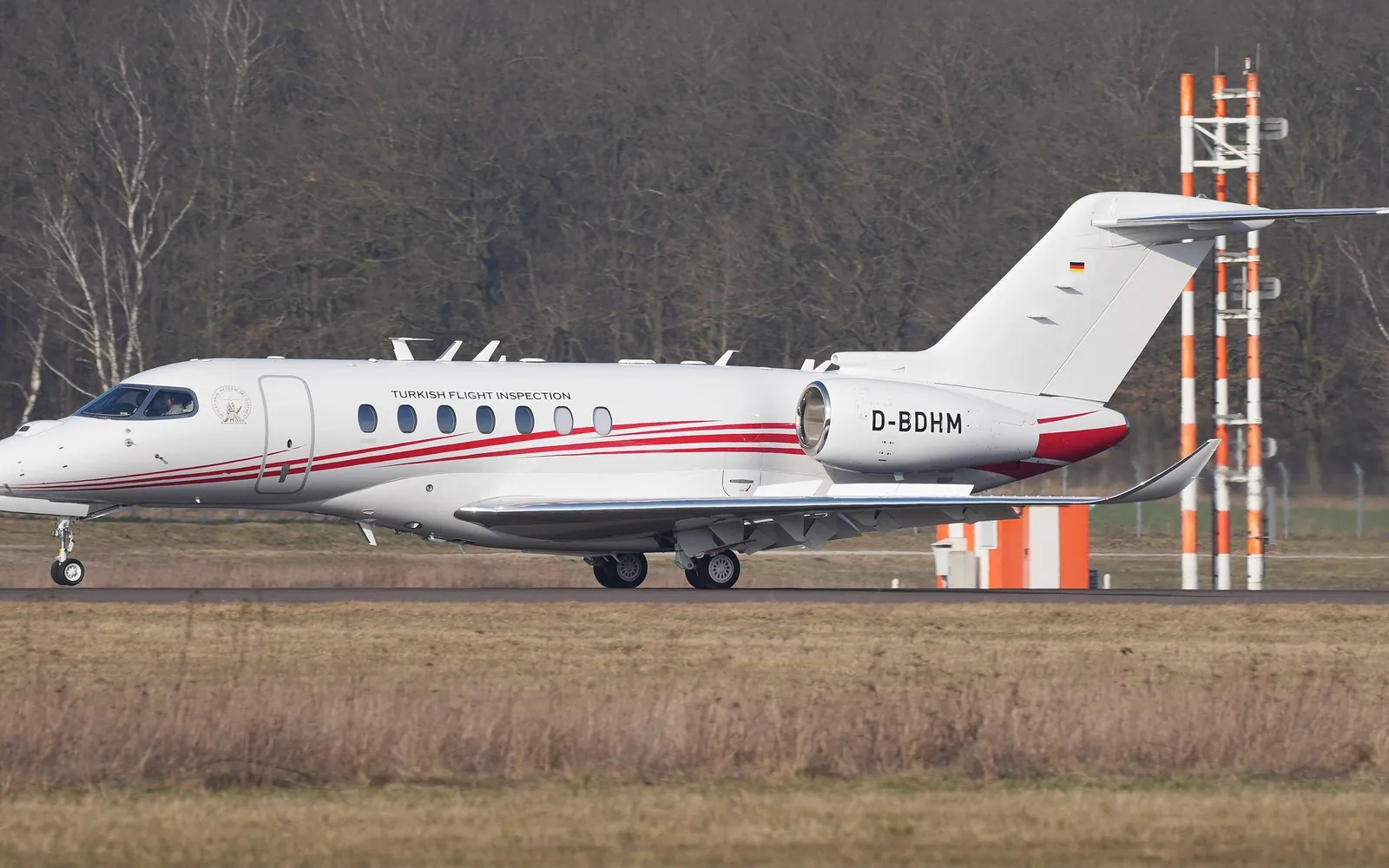
Textron Aviation: the delivery jump
Textron Aviation supplied the quarter's clearest delivery growth. It handed over 51 Citation jets, up 21 percent from 42 a year earlier, while commercial turboprop deliveries fell to 32 from 39. Segment revenue rose 14 percent to $1.7 billion, an increase of $201 million that the company splits between $152 million of higher aircraft revenue and $49 million of higher aftermarket parts and services revenue. Corporate Jet Investor reported segment profit up 4 percent to $179 million. The backlog at the end of September stood at $8.0 billion.
The model split behind the 51 jets, as reported by Corporate Jet Investor, was 11 Citation Latitudes, 10 M2 Gen2s, nine CJ3+ and CJ3 Gen2s, nine Longitudes, seven CJ4 Gen2s and five Ascends, the newest Citation, in service since the end of 2025. Across the first nine months Textron Aviation delivered 128 jets, against 122 a year earlier, so the third quarter accounts for most of the year's delivery growth on its own. The turboprop decline sits in the same results and should not be read past: the company's jet lines, not its propeller lines, are where its order momentum currently sits.
| Bombardier | 33 deliveries in Q3 (12 Challenger, 21 Global); backlog $22.2 billion; 2026 guidance more than 157 deliveries and free cash flow above $1.3 billion |
|---|---|
| Embraer Executive Aviation | 41 deliveries in Q3 (22 small, 19 medium); 115 in the first nine months; backlog a record $8.2 billion; guidance held at 160 to 170 deliveries for 2026 |
| Textron Aviation | 51 jets and 32 commercial turboprops in Q3; revenue $1.7 billion, up 14 percent; backlog $8.0 billion |
What the quarter adds up to
Three patterns repeat across the three reports. First, services and support are growing faster than aircraft sales: Bombardier's record services quarter, Textron Aviation's $49 million aftermarket increase and, at group level, Embraer's Services and Support revenue rising 30 percent to $638 million all describe the same economics, in which a growing installed fleet pays its makers every year, not only in the year it is delivered. Second, backlogs lengthened everywhere, which converts this year's demand into next year's production planning and lengthens the wait facing a buyer ordering today. Third, the delivery test is still to come. Each maker's full-year guidance implies a heavy fourth quarter, and the industry's own shipment census, the General Aviation Manufacturers Association third-quarter report scheduled for the week of November 16, had not been published when this article was written. The makers have stated their positions; December will grade them.
Photography: Acroterion, CC BY-SA 4.0, via Wikimedia Commons