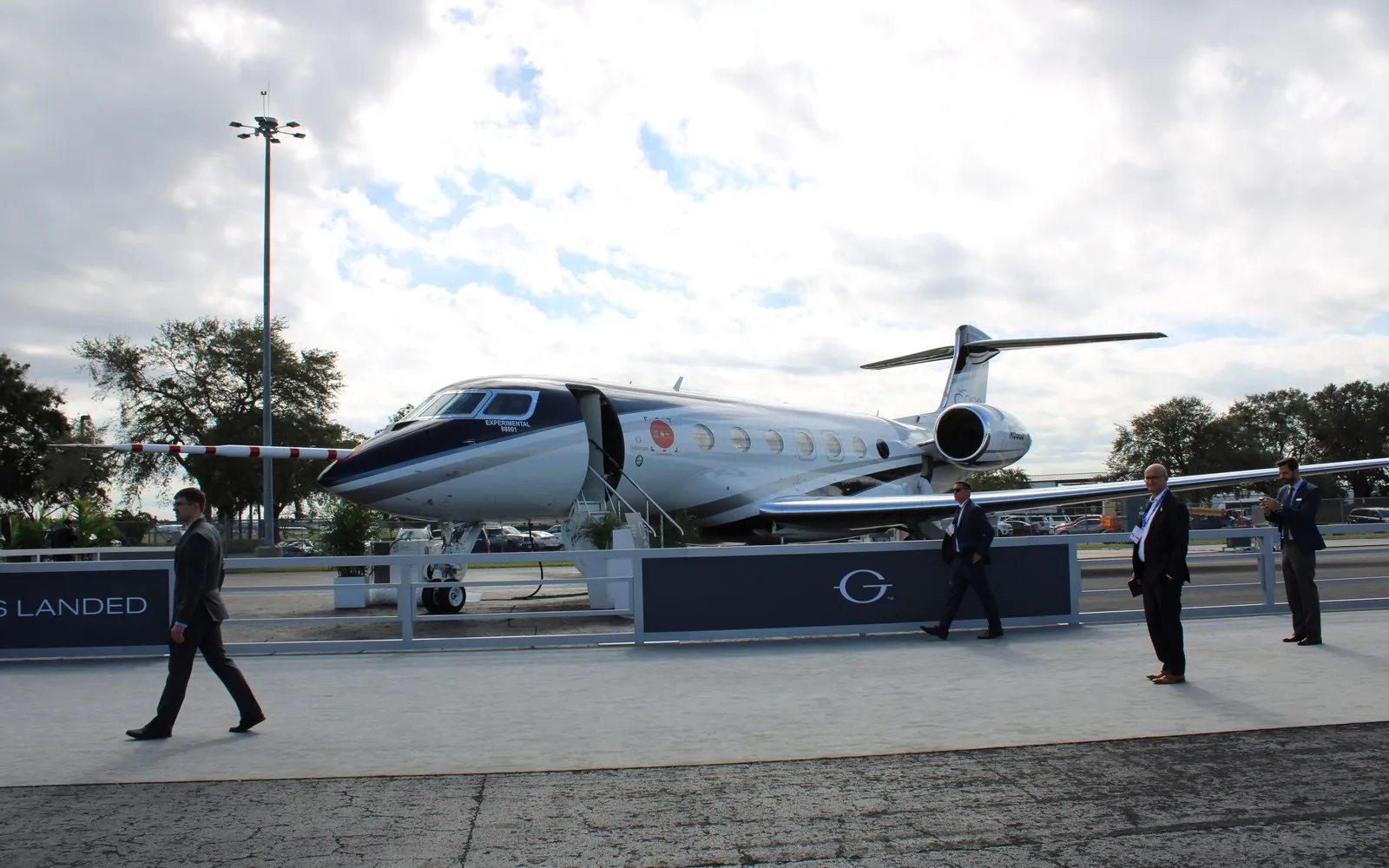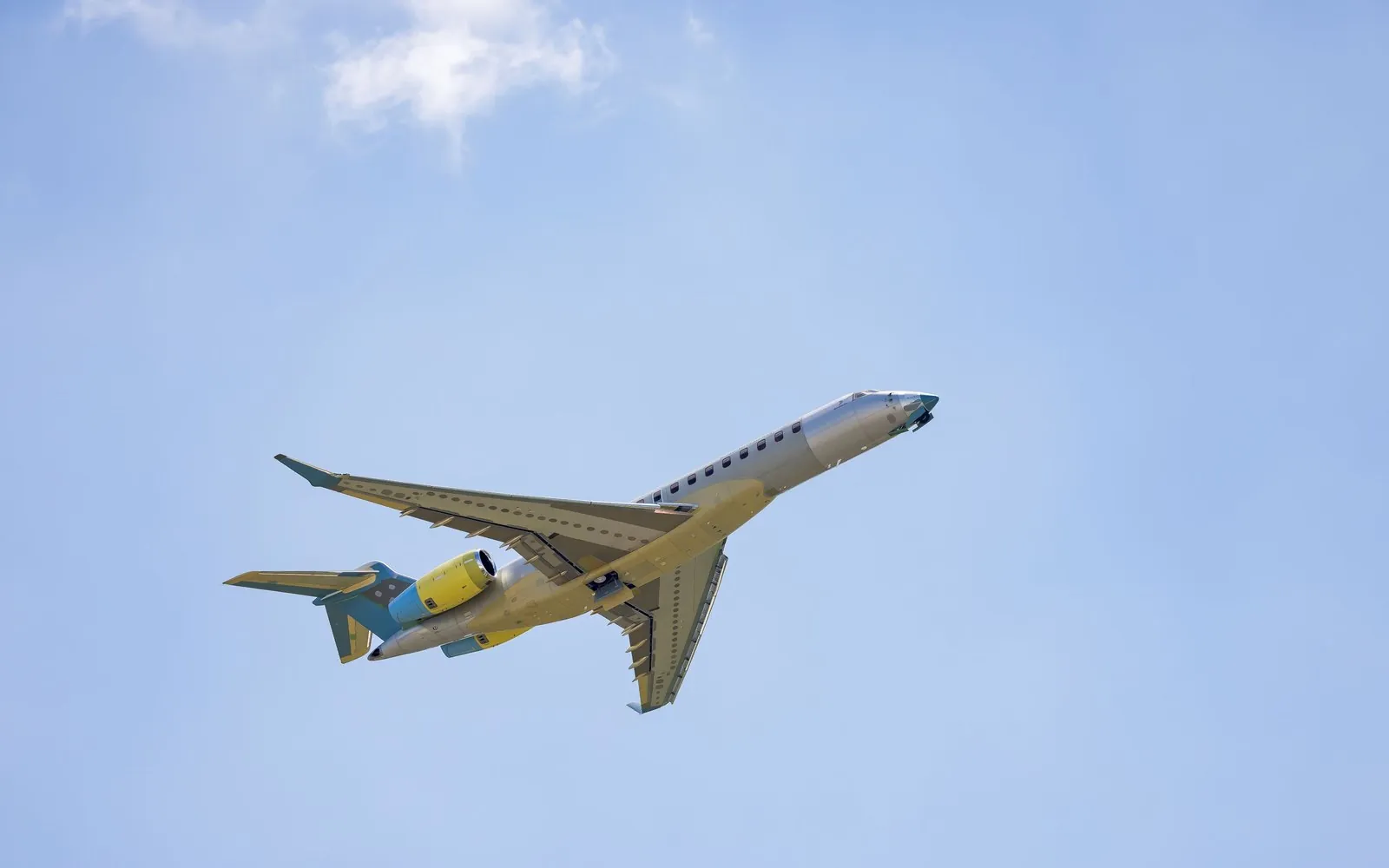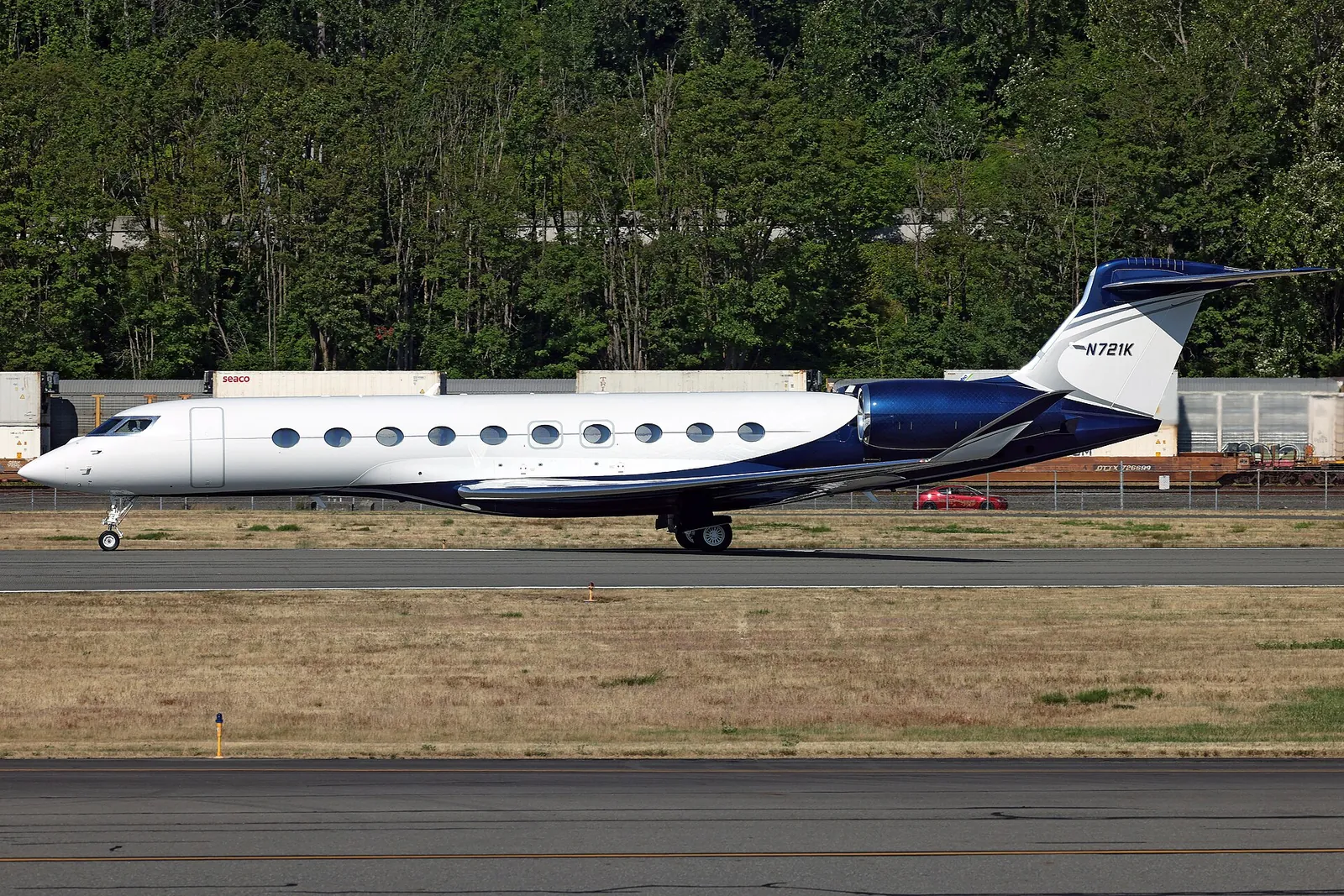
Gulfstream’s parent, General Dynamics, reported third-quarter results on October 30, and the numbers describe a business jet maker selling everything it can build. The Aerospace segment, which pairs Gulfstream with the Jet Aviation services business, recorded revenue of $3.54 billion, up 9.3 percent on the same quarter a year earlier, and operating earnings of $513 million at a 14.5 percent margin. Gulfstream delivered 40 aircraft in the quarter, 35 of them large-cabin jets and five mid-cabin, one more than the 39 delivered a year earlier.
Demand is running ahead of those deliveries. New aircraft orders in the first nine months of 2026 were up more than 30 percent from a year earlier, and the Aerospace book-to-bill ratio reached 1.4 times, higher still for Gulfstream alone. General Dynamics raised its full-year guidance on the strength of the quarter, lifting expected earnings per share to a range of $17.20 to $17.30, from $16.80 to $16.90 previously. Group-wide, revenue rose 12.9 percent to $14.57 billion, and nearly $99 billion of new orders in the quarter drove the company’s backlog to a record $220.3 billion, a figure carried principally by submarine awards in Marine Systems rather than by Gulfstream.
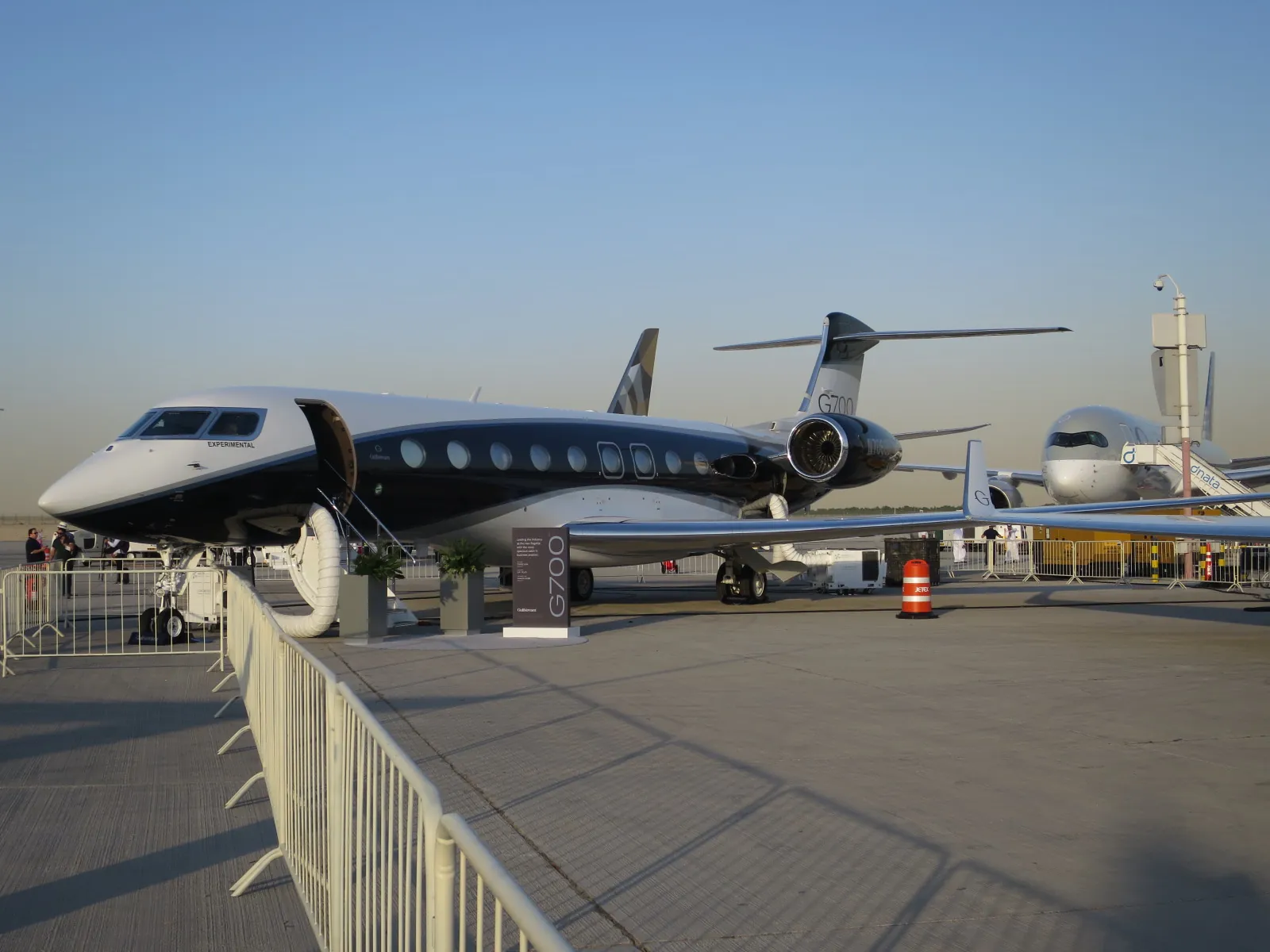
Deep characterised the demand behind those numbers as broad rather than frothy: customer activity in North America, Western Europe and Asia has continued to be robust, he said, and fuel prices have had no discernible impact on demand. Within the quarter’s deliveries, he noted, the G800, the newest of the large-cabin types, reached its 33rd delivery, with performance since entry into service described as very strong. That is the order book and the product line the 200-aircraft year is being built against.
A date for the 200-aircraft year
The production question has followed Gulfstream since its president, Mark Burns, told the NBAA-BACE audience in Las Vegas last month that deliveries would reach at least 200 aircraft a year in what Aviation International News reported as the not-too-distant future. On the October 30 call, General Dynamics president Danny Deep gave that ambition a year.
“Our intent is to deliver 200 aircraft in 2030,” said Danny Deep, president of General Dynamics, on the company’s third-quarter earnings call.
Deep added that output would need to run ahead of the delivery target the year before, because aircraft produced in 2029 still need exterior painting and cabin completion before they can be handed over. He said the company already has the production capacity, workforce and facilities to build 200 aircraft a year, and that the open question sits with suppliers keeping pace. Going beyond 200 would require fresh investment in facilities and equipment, which the company is prepared to make if demand justifies it. For context, a 200-aircraft year implies a sustained quarterly pace well above the 40 deliveries reported for the third quarter.
The super-midsize gap
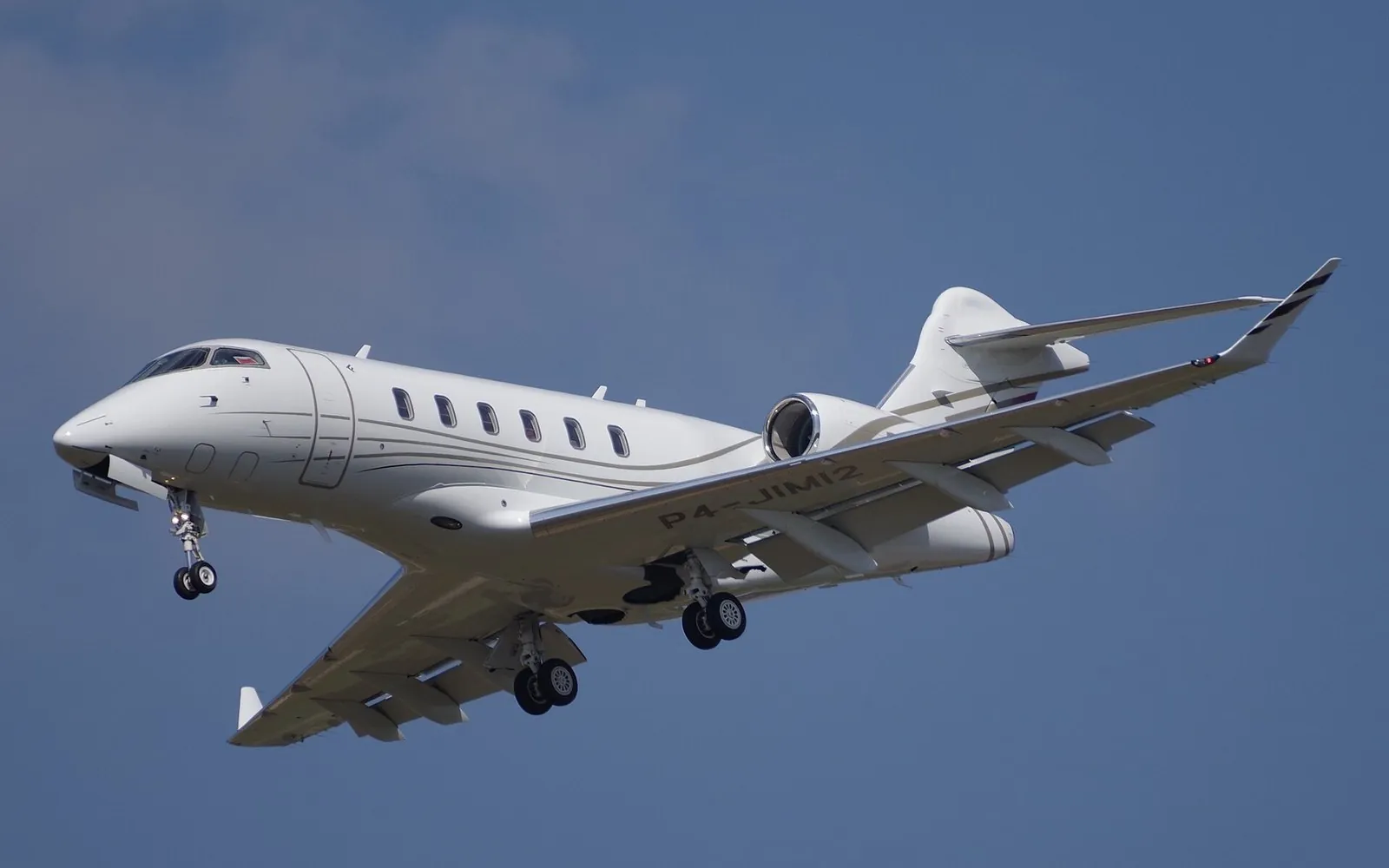
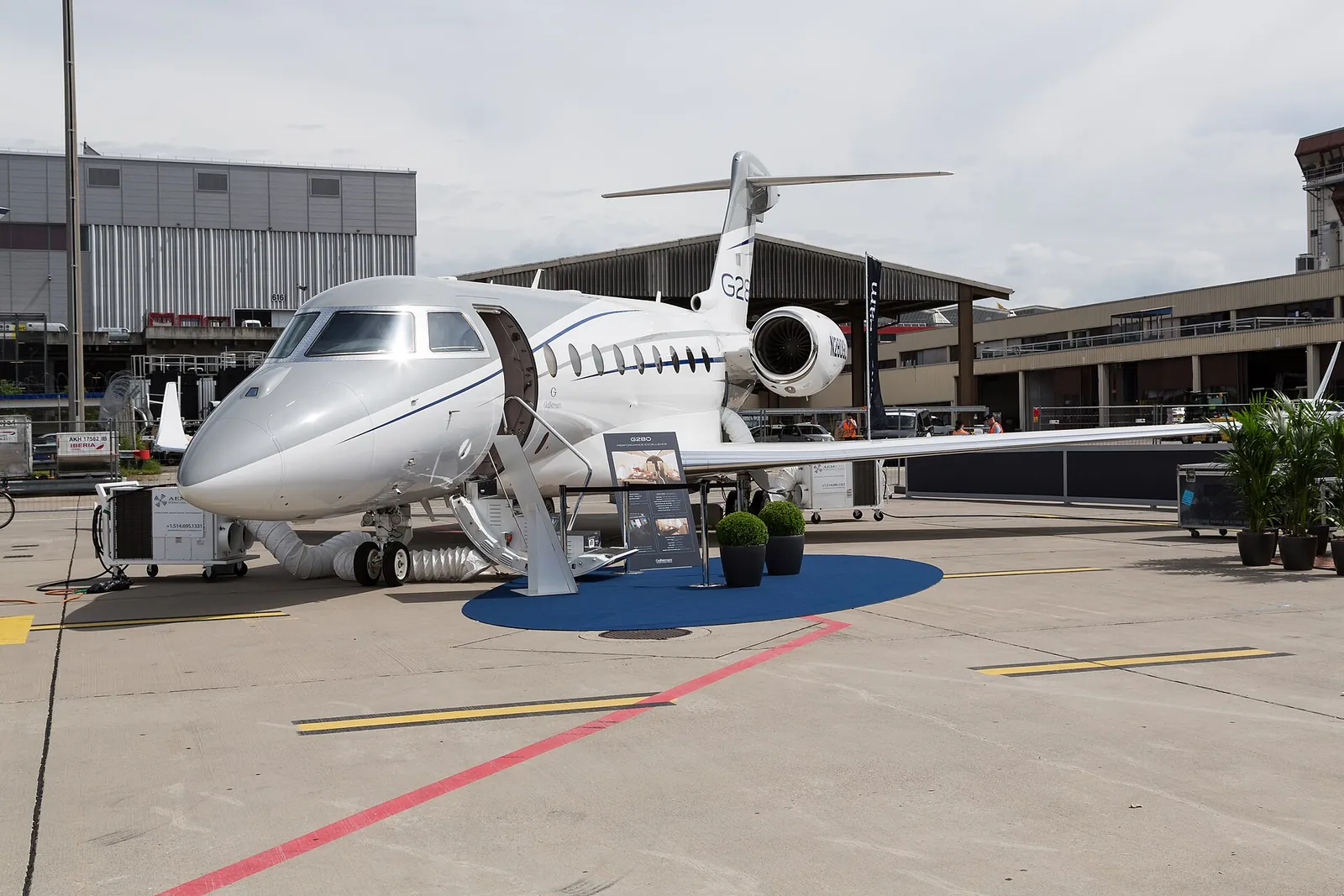
The transition has a cost, and Deep named it plainly. The G280, Gulfstream’s super-midsize entry, will finish deliveries around the middle of 2027. Its replacement, the G300, is expected to be certified towards the end of 2027, with deliveries following after that. Between the two sits a gap the company would rather not have. Both types are manufactured by Israel Aerospace Industries in Tel Aviv, and Deep said the start of G300 deliveries will be somewhat dependent on the situation in the Middle East.
The gap is a volume problem, not a profit problem, on the company’s own account. Deep said the lost G280 volume will be more than offset by additional large-cabin aircraft, producing a more favourable mix and a positive effect on margins, and that the company still expects a better 2027 than 2026. Chairman and chief executive Phebe Novakovic added a caution on the demand side: customer interest in the Middle East remains active in the pipeline, but the regional environment has slowed the conversion of that interest into firm orders.
For buyers, the practical reading is twofold. Large-cabin production is where Gulfstream’s capacity and attention will concentrate through 2027, as the Savannah line works towards the 2030 target. And anyone whose requirement is a new super-midsize Gulfstream faces a defined wait: take the outgoing G280 before the line closes, or hold for a G300 whose certification is targeted, on the company’s own words, for towards the end of 2027.
Photography: DUNCAN KIRK, CC BY 4.0, via Wikimedia Commons