On September 3, 2026, the General Aviation Manufacturers Association published its Second Quarter 2026 Aircraft Shipment and Billing Report, covering the first six months of the year. The headline: manufacturers delivered 1,458 airplanes worldwide, up 1.7% from 1,433 in the same period of 2025, while airplane billings climbed 15.5% to $14.3 billion from $12.4 billion. Revenue is growing much faster than unit volume, and turbine aircraft are doing the carrying.
The first-half numbers
| Business jets | 383 units, up 8.2% from 354 in H1 2025 |
|---|---|
| Turboprops | 289 units, up 7.8% from 268 |
| Piston airplanes | 786 units, down 3.1% from 811 |
| Total airplanes | 1,458 units, up 1.7% |
| Total airplane billings | $14.3 billion, up 15.5% from $12.4 billion |
| Turbine helicopters | 309 units, up 3.3% from 299 |
| Piston helicopters | 110 units, up 5.8% from 104 |
| Total helicopter billings | $2.2 billion, up 7.2% from $2.0 billion |
Who won the half
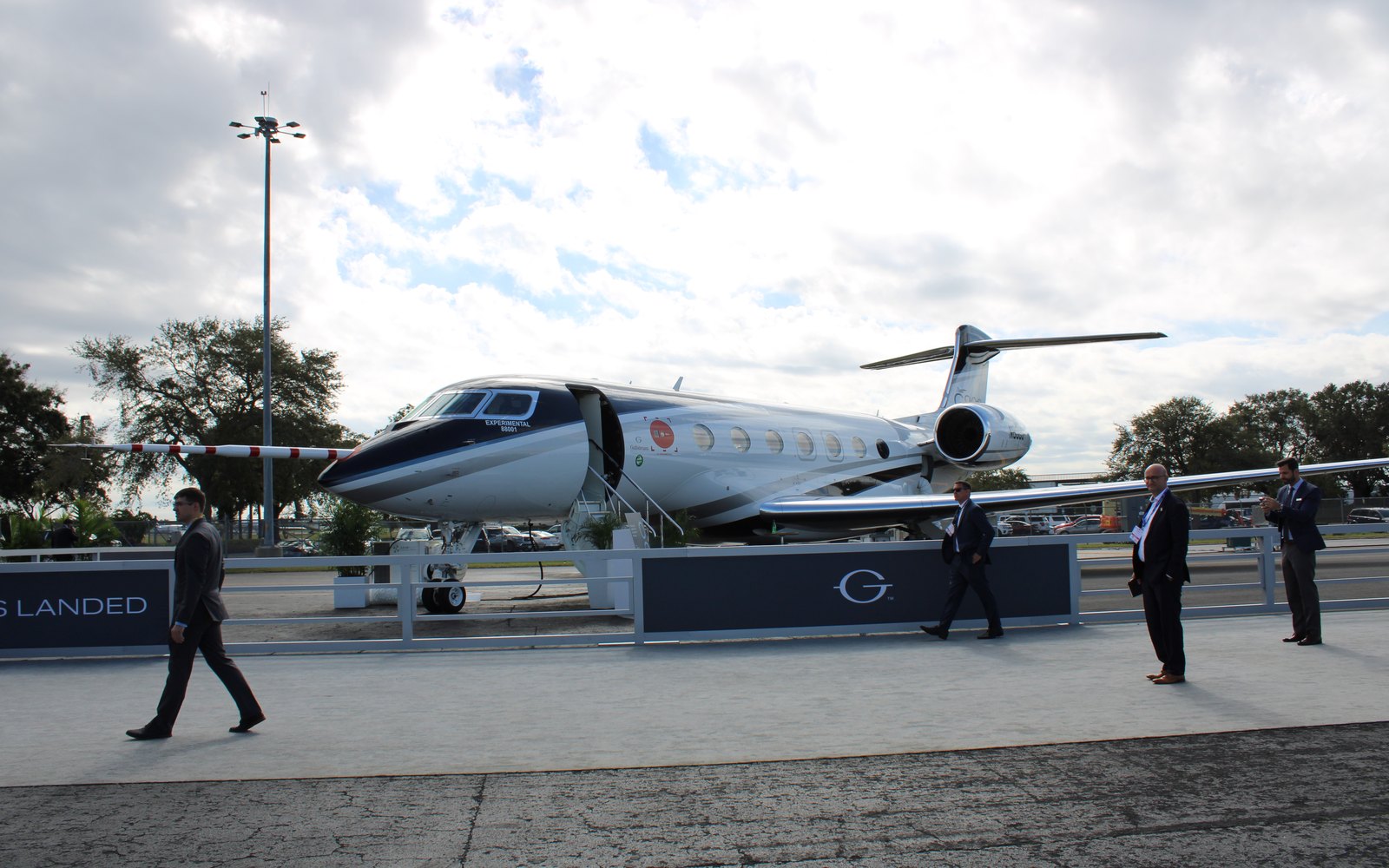
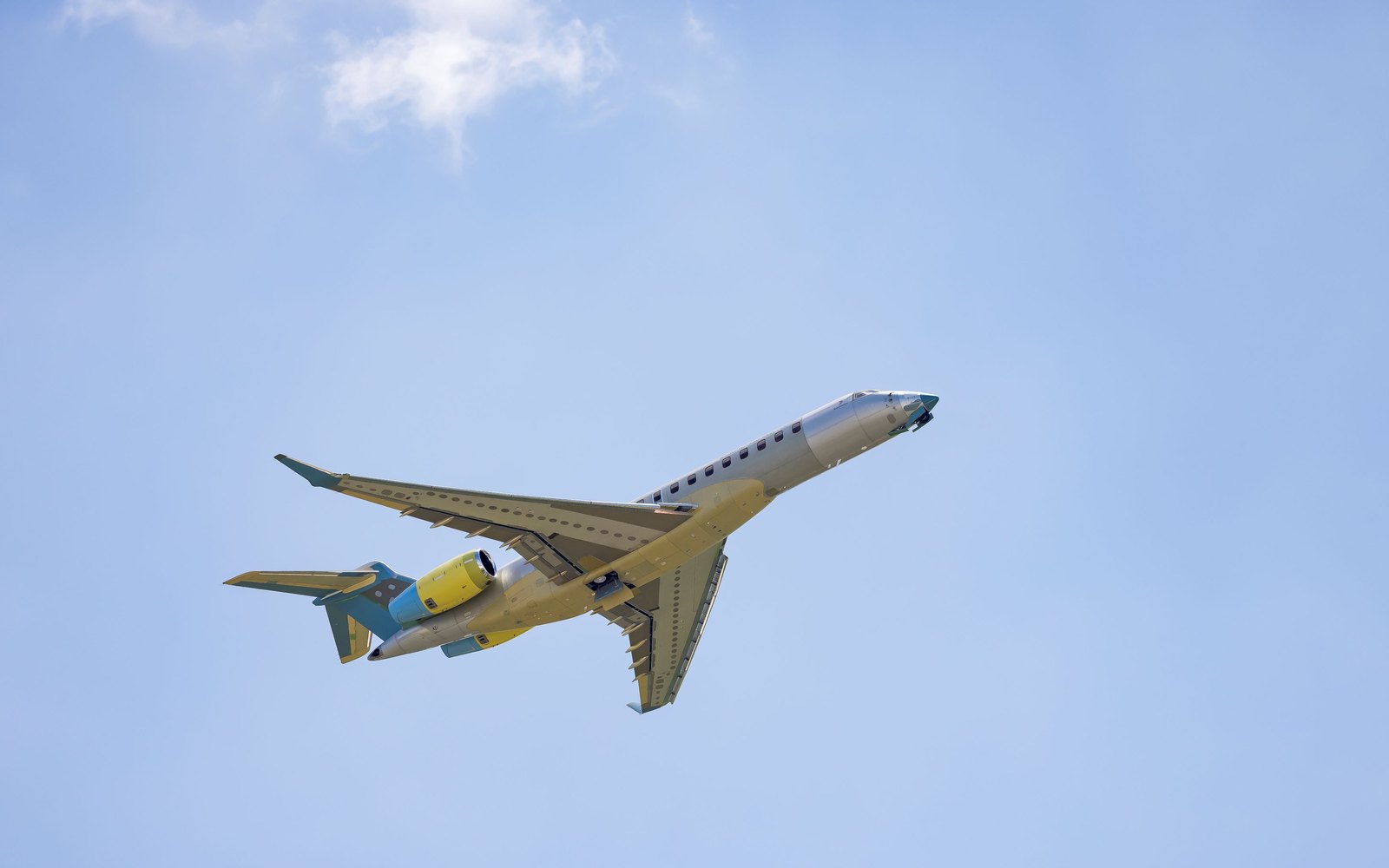
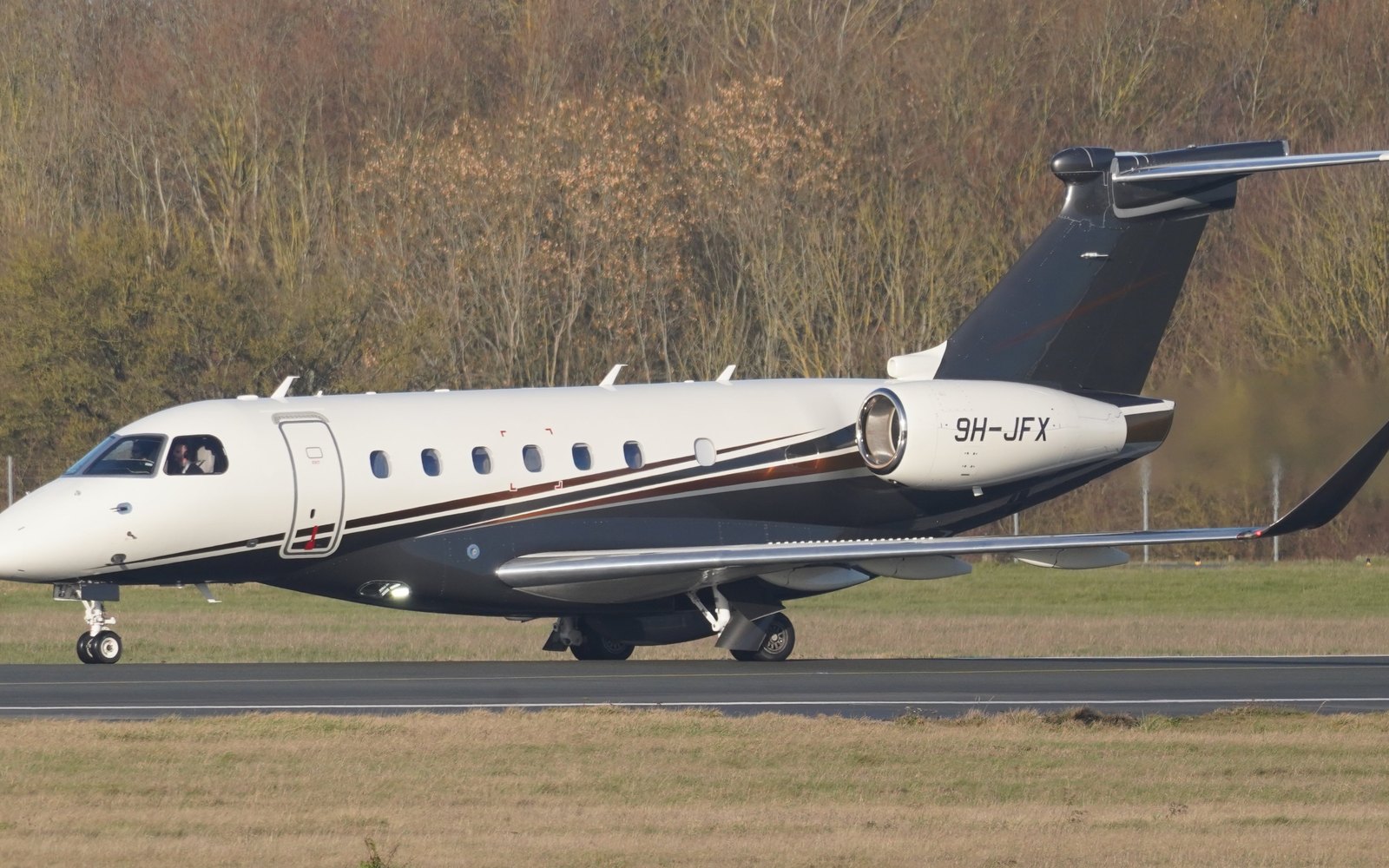
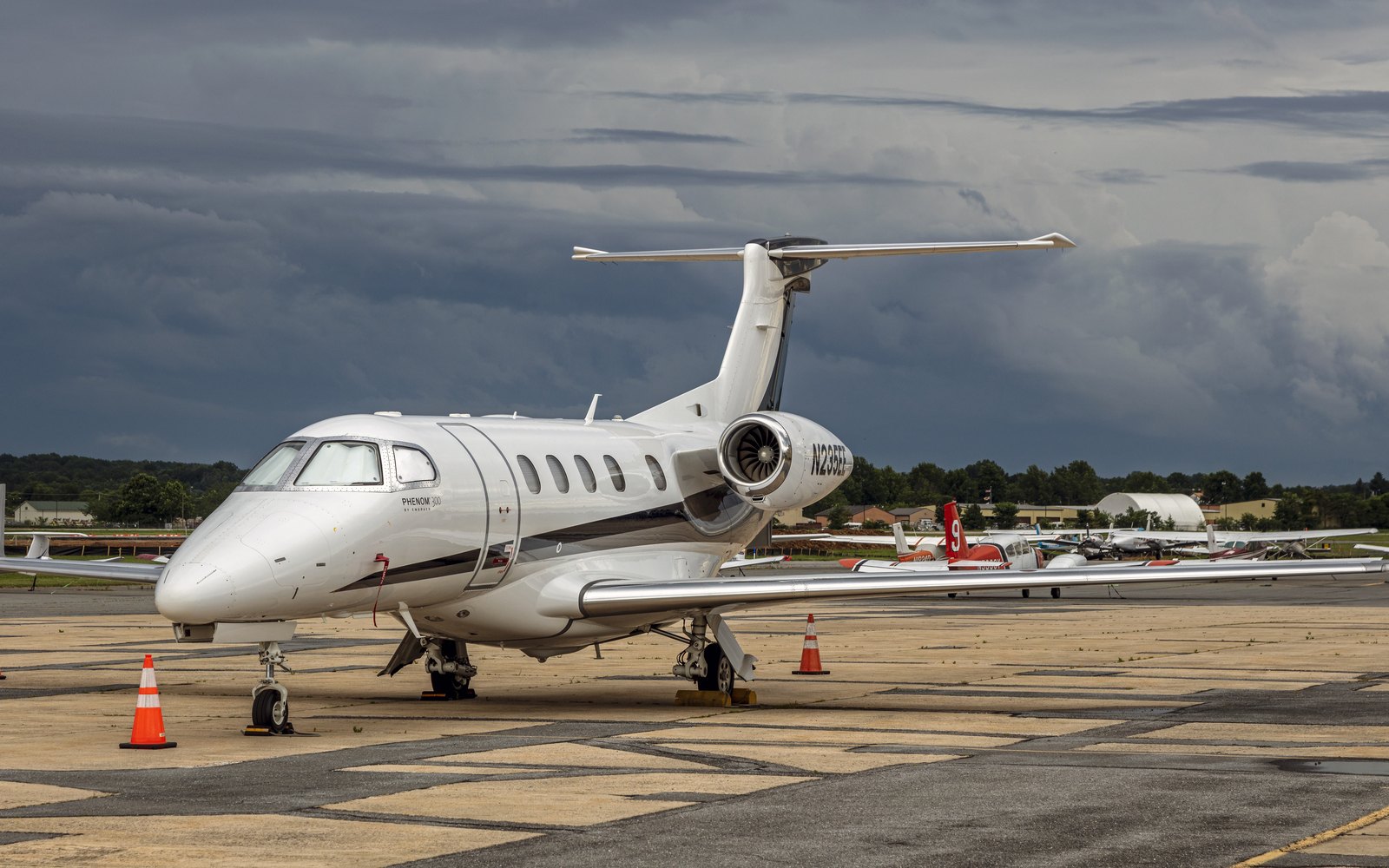
Embraer led the major private jet makers. The Brazilian manufacturer increased deliveries 21% year over year to 74 aircraft, handing over seven more Phenom 300Es and seven more Praetor 500s than in the first half of 2025, per AIN's analysis of the GAMA data. Gulfstream surpassed its first-half 2025 tally by five aircraft, up 6.8% to 79 total, adding four more units to its large-cabin segment for a total of 66; the half included the G800's entry into service. Cirrus remained the industry's largest producer by unit volume with 405 total shipments, including 57 SF50 Vision Jets.
Not everyone rose. Bombardier handed over five fewer Challengers than a year ago, a 5% overall decrease to 56 aircraft. Textron Aviation was down year over year in all its jet products except the super-midsize Citation Longitude, up five, and the CJ3+, up one, delivering 77 Cessna jets for the half; across pistons, turboprops, and business aircraft, Textron delivered 333 aircraft versus 300 a year earlier. Dassault, which reports only mid-year and year-end, stayed essentially static at 13 Falcons, one more than in the first half of 2025.
The quarter in detail
Second-quarter figures show the mix shifting. Manufacturers shipped 791 airplanes in Q2, slightly below the 801 of a year earlier: piston deliveries fell to 405 from 453, while turboprops rose to 165 from 135 and business jets to 221 from 213. Quarterly airplane billings reached about $8.25 billion, versus $7.31 billion a year earlier. Quarter-over-quarter, Bombardier's business jet shipments rose from 24 to 32, Daher's from 13 to 24 (billings from $70.3 million to $128.5 million), Embraer's from 29 to 45 (billings from $504.7 million to $795.4 million), and Textron Aviation's from 156 to 177, led by 62 Cessna 172 Skyhawks.
What it means
The shape of the report is the story: billings up 15.5% on unit growth of just 1.7%. Higher-value turbine aircraft, business jets and turboprops, are carrying a growing share of the industry's financial performance, while the piston segment, still the largest by units, slipped 3.1%. With business jet shipments up more than 8% and billings running well ahead of volume, the market is buying fewer, more expensive aircraft, and the order books behind those deliveries remain the number to watch into the second half.
Photography: Acroterion, CC BY-SA 4.0, via Wikimedia Commons
Sources
- GAMA Releases Second Quarter 2026 Aircraft Shipment and Billing Report, GAMA
- GAMA: Bizjets, T-props, and Rotorcraft Deliveries All Up in First Half 2026, Aviation International News
- Business Jets, Turboprops Lift Q2 GA Shipments, AVweb
- Higher jet, turboprop deliveries lift GAMA first-half billings, Arabian Post
- GAMA: Business Jets and Turboprops Lift First-Half General Aviation Billings Past $16.5B, MonitorDaily
- GAMA Second Quarter 2026 Aircraft Shipment And Billing Report, Aero-News Network