The Helicopter Company is, as of this week, a business jet operator in waiting. Bombardier announced on November 13 that the Saudi company, known to the industry as THC, has signed firm fleet purchase agreements covering 12 aircraft: five Challenger 3500s, five Global 5500s and two Global 8000s. The agreements carry options for 48 further aircraft, which would take the commitment to 60 jets in total, and Bombardier values the firm portion at approximately US$568 million based on 2026 list prices.
The signing converts the letter of intent the two companies announced at the Farnborough International Airshow in July 2026, where THC first set out its plan to move into fixed-wing charter and aircraft management. Bombardier describes the firm order as the largest business aviation fleet order to date in Saudi Arabia, and as the foundation on which THC will build its business aircraft fleet. The release gives no delivery schedule, so the pace at which the fleet actually assembles remains an open question for the next announcements.
A helicopter company, by design
THC was established as part of the Saudi Public Investment Fund's strategy to build new aviation sectors in the Kingdom in support of Vision 2030, and it has operated since mid-2019. It is the country's leading commercial helicopter operator, with more than 60 aircraft working across emergency medical services, aerial work, private charter and tourism. The jet fleet is therefore not a replacement for the rotary business but a second wing added to it, aimed at the premium business travel demand Bombardier and THC both say is growing inside Saudi Arabia and across the wider region.
Captain Arnaud Martinez, THC's chief executive, described the signing as “the next step in building an integrated aviation operator.”
He pointed to rising demand for business aviation across Saudi Arabia and the region, and said the fleet gives THC the right aircraft to serve that demand from the outset.
Bombardier's side of the bargain extends beyond airframes. As part of the partnership, the Canadian manufacturer will invest in the Kingdom over the long term and put a permanent presence there, the support base a new operator needs if a fleet of this size is to dispatch reliably from day one. Bombardier president and chief executive Eric Martel called the decision to proceed a meaningful vote of confidence in what the manufacturer's teams deliver, and said the company looks forward to supporting THC as it launches the fleet.
Three types, three jobs
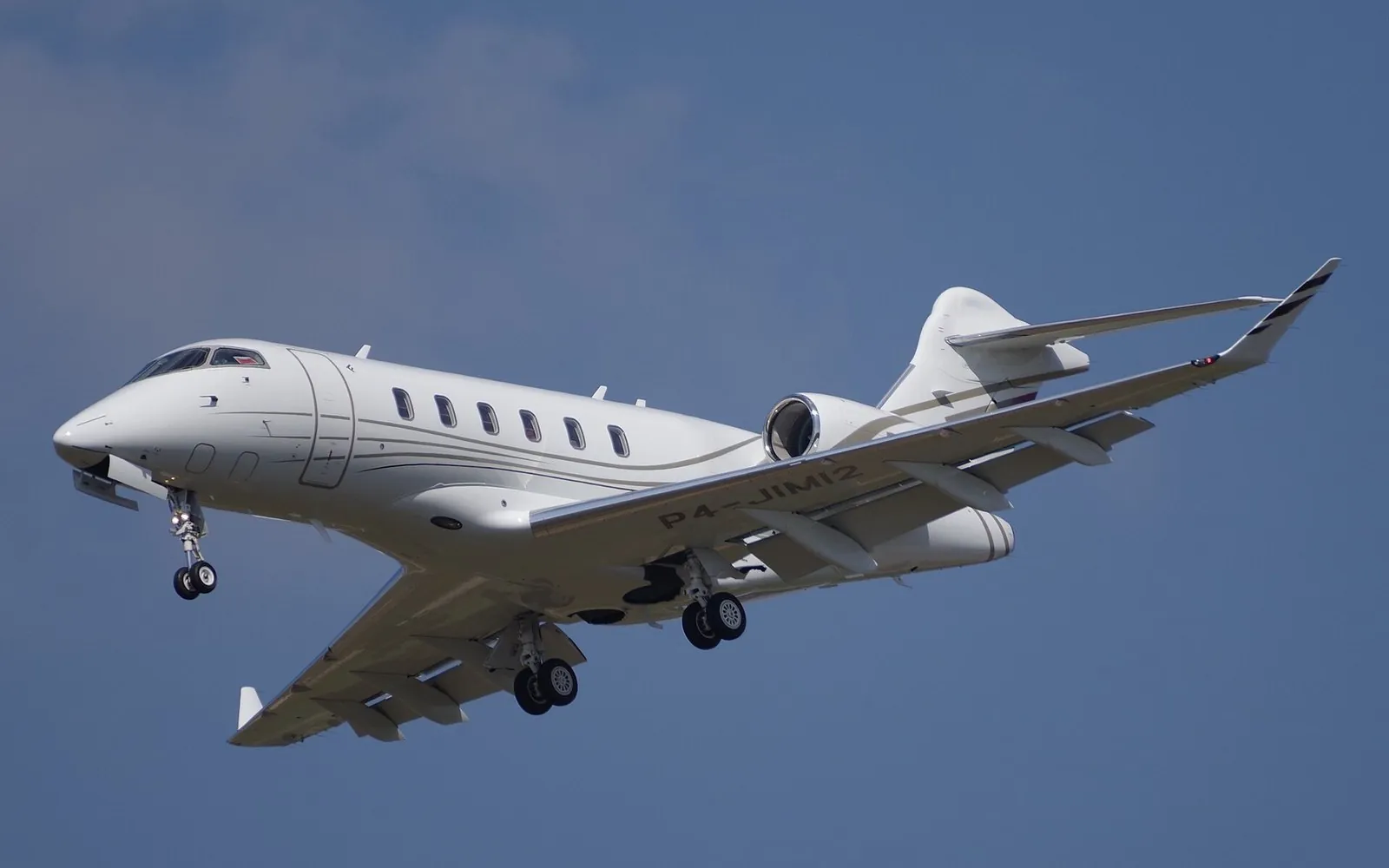
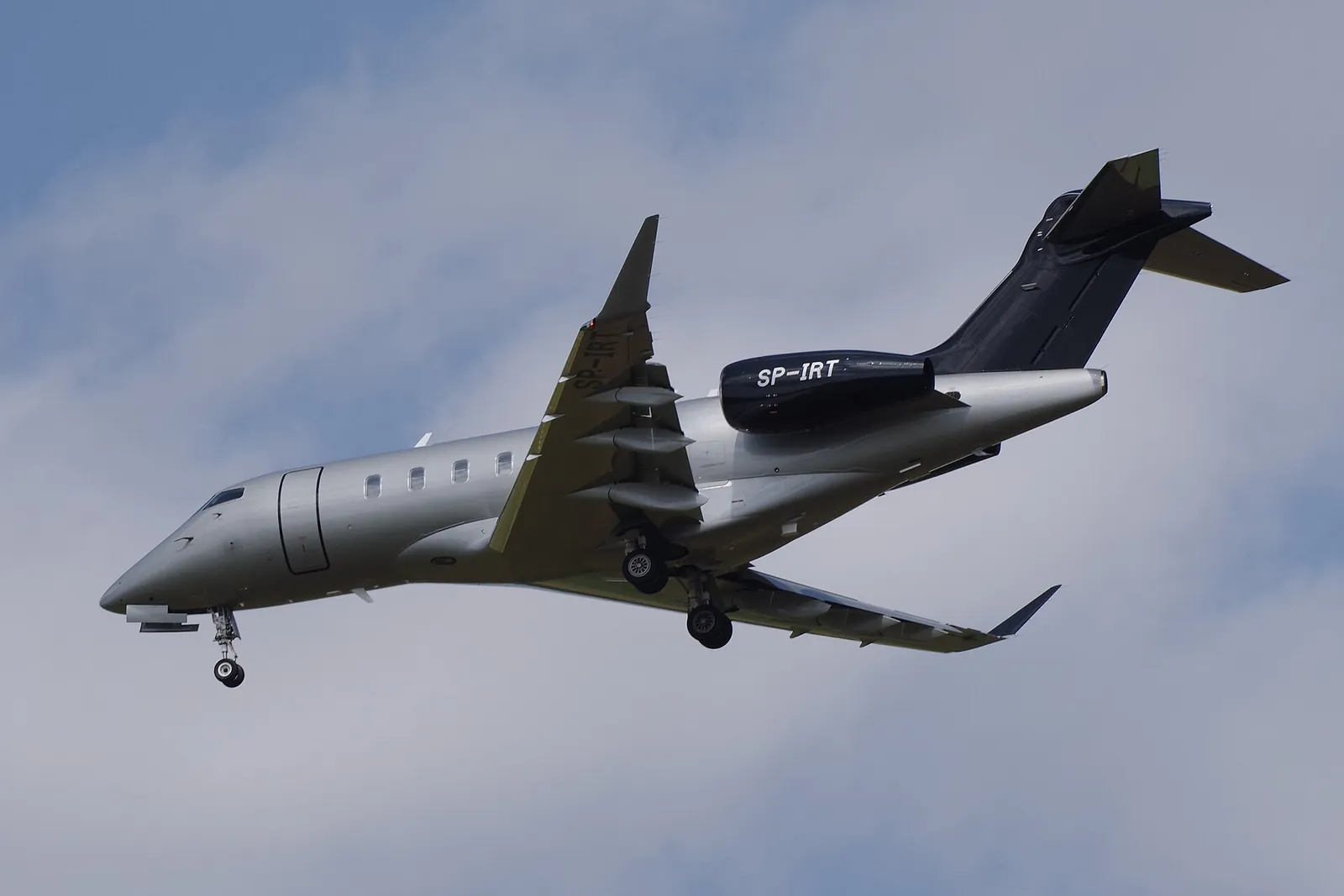
The mix is a ladder. At the bottom rung, the Challenger 3500 covers the regional work: Bombardier puts its range at 3,400 nautical miles and its cabin at up to nine passengers, and positions it for missions within the Gulf Cooperation Council region, with the lowest direct operating costs in its class. It is the aircraft most likely to fly the Riyadh to Dubai and Riyadh to Cairo patterns that anchor Gulf business travel, several times a day if demand follows the plan.
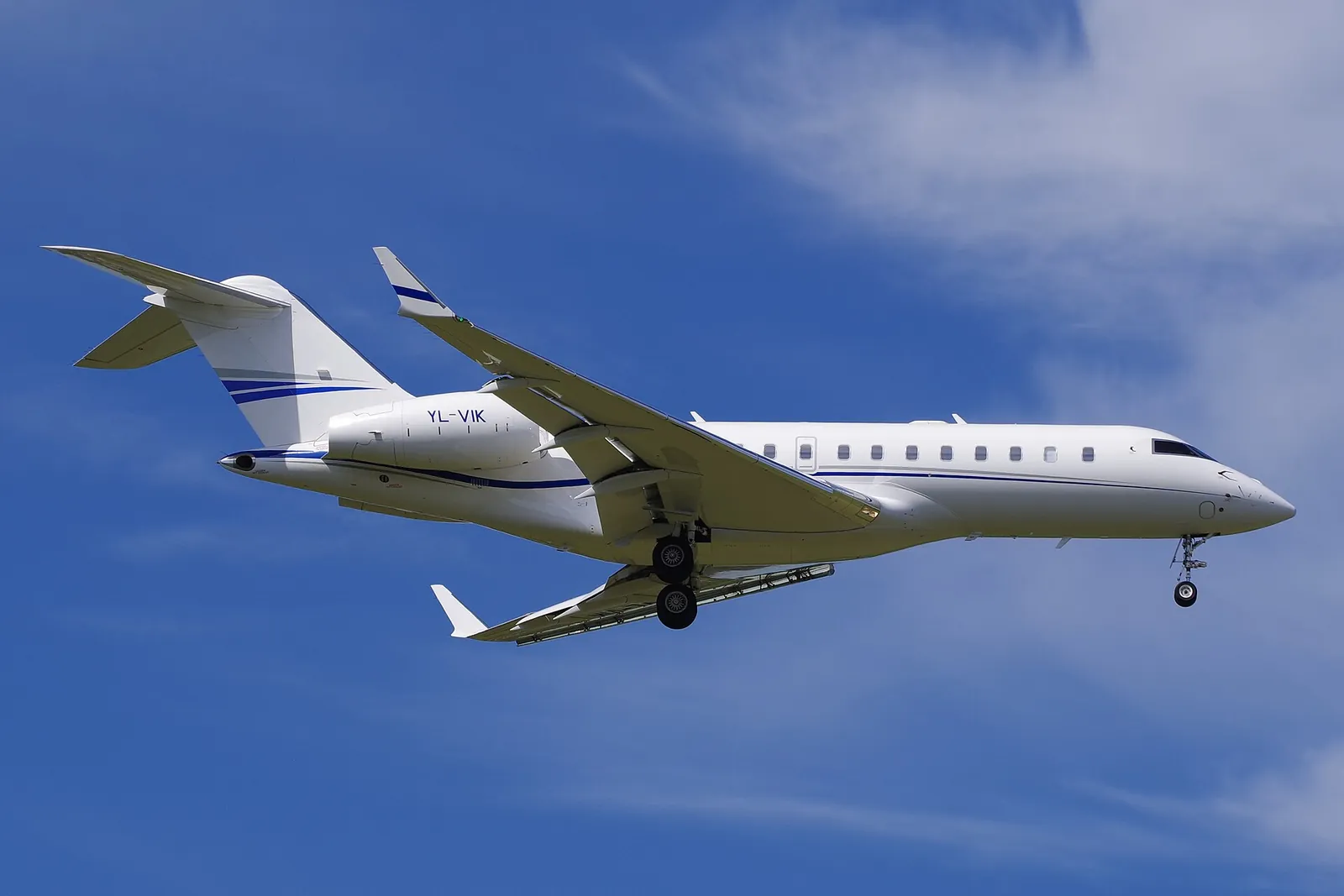
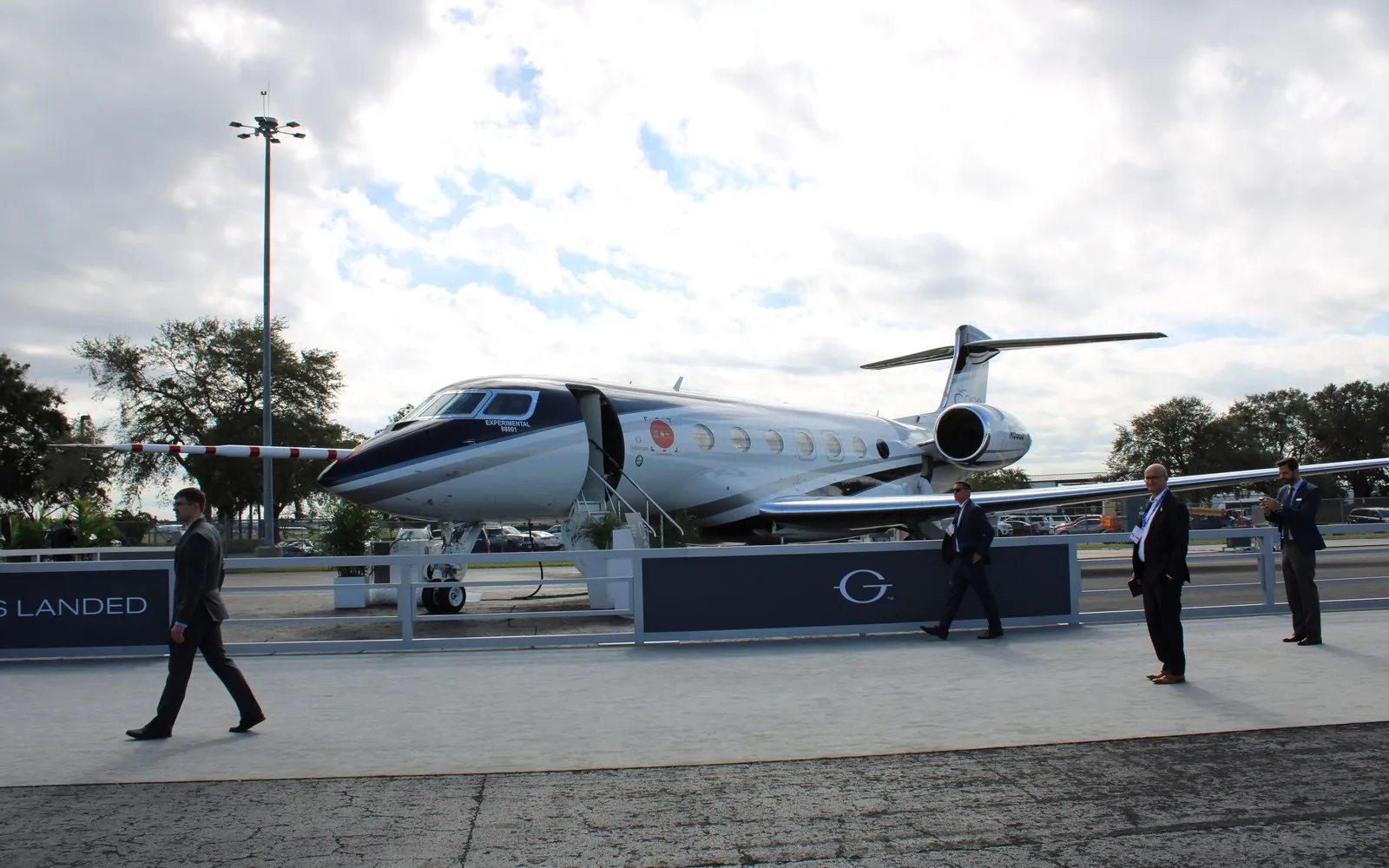
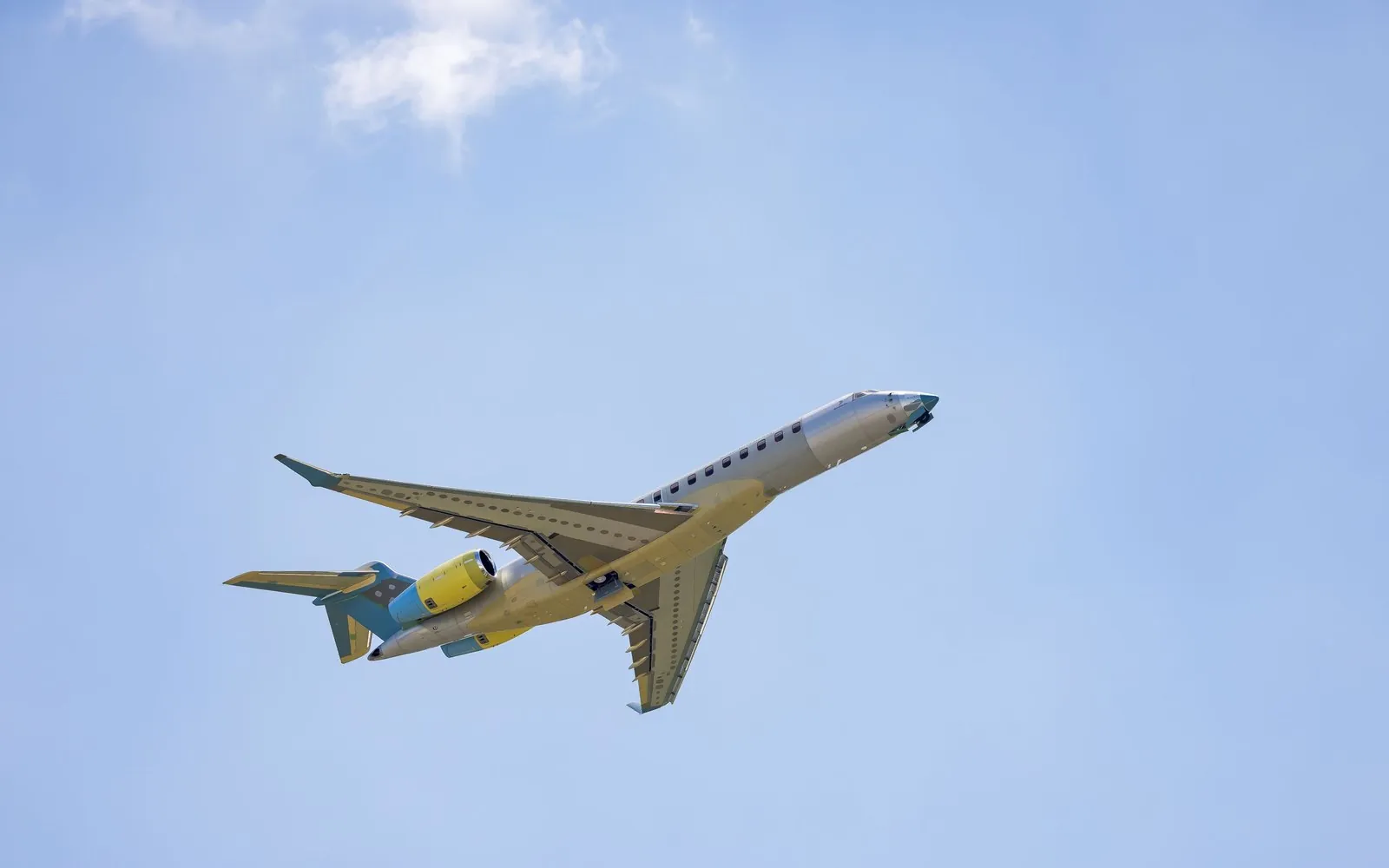
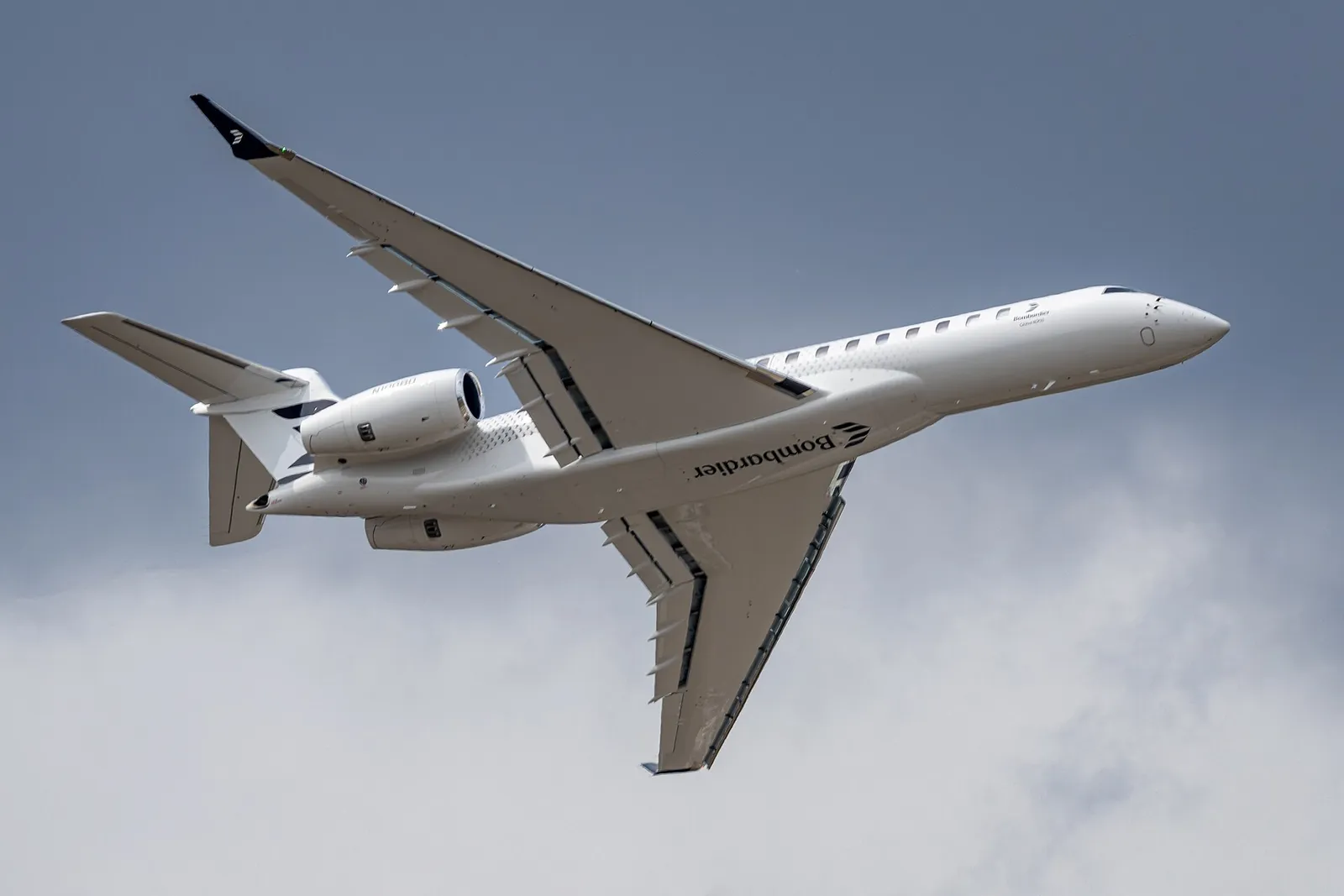
The Global 5500 takes the longer assignments. Its published range is 5,900 nautical miles, the longest in its category according to Bombardier, and its cabin is arranged in three living zones for up to 16 passengers. That is the aircraft for Riyadh to London or Riyadh to South Asia sectors, where the journey is long enough for the cabin, rather than the schedule, to become the product. The two Global 8000s sit at the top as the flagship pair: a four-zone cabin, a published range of 8,000 nautical miles, and a city pair Bombardier itself chooses to illustrate the type, Riyadh to Los Angeles, flown nonstop.
Bombardier also makes much of the Global 8000's short-field manners, saying its takeoff and landing performance is comparable to that of a light jet and that its wing, fitted with leading-edge slats, lets it use up to 30 percent more airports than its closest rival, a difference it equates to more than 2,000 additional destinations. For an operator building a charter business in a country of long distances and many small airfields, that flexibility has practical value beyond the headline range figure.
What to watch
Three things will decide whether this order becomes a fleet or remains a headline. The first is deliveries: neither company has published a schedule, and the first handover date will set expectations for everything after it. The second is the support footprint, where Bombardier's promised local investment has yet to be detailed in terms of facilities, staffing or timing. The third is the options. Forty-eight options is an unusually deep bench, and the rate at which THC exercises them will be the clearest public measure of how fast Saudi business aviation is actually growing.
For Bombardier, the order adds a state-backed anchor customer in the Gulf at a moment when its Global and Challenger lines are collecting large fleet commitments from operators on several continents. Its customers already fly a fleet of approximately 5,300 Bombardier aircraft, supported from 10 service facilities across six countries. THC's jets, once delivered, will be the most visible test yet of whether that network can stand up a new national-scale operator from a standing start.
Photography: Oren Rozen, CC BY-SA 4.0, via Wikimedia Commons