AlUla is a 22,000-square-kilometre canvas of red sandstone canyons, volcanic plateaus, and date-palm oases in northwestern Saudi Arabia, once a vital stop on the ancient incense trade route. Today it is the Kingdom's most deliberate luxury destination: the Royal Commission for AlUla has invited a curated handful of world-class hotel brands and insisted on low-density, landscape-sensitive design, rather than packing the valley with mass-market development.
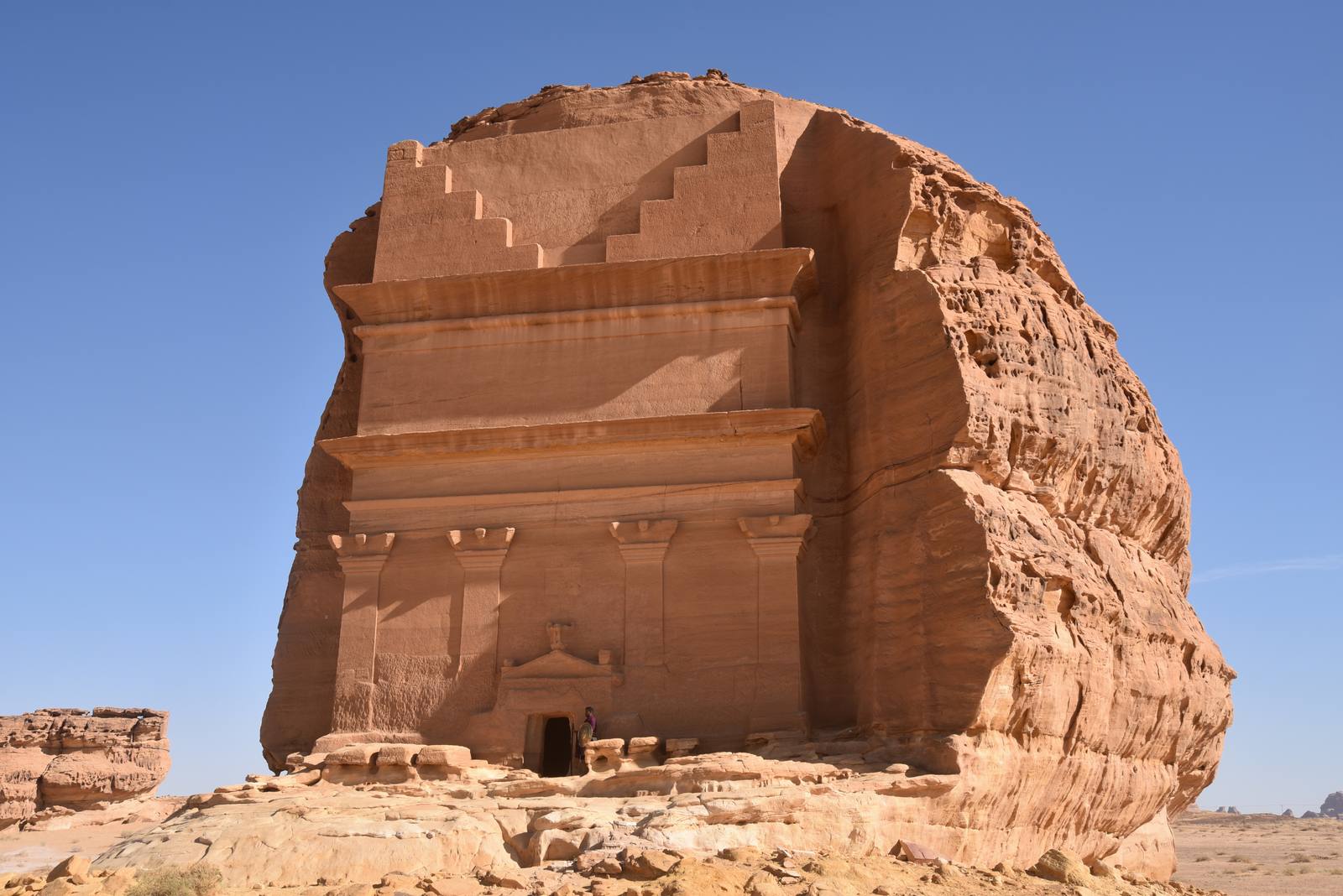
The anchor is Hegra, Saudi Arabia's first UNESCO World Heritage Site and the southern capital of the Nabataean kingdom that built Petra. Its 111 monumental tombs are carved into the sandstone, and unlike Petra, Hegra receives a fraction of the visitors, which gives the site an intimacy that suits the way private travelers move. The most photographed tomb is Qasr al-Farid, the unfinished “Lonely Castle,” standing alone in the desert like a stage set the Nabataeans walked away from mid-scene.
Hegra rewards planning. The site is visited on escorted tours booked through Experience AlUla, which keeps numbers low and the experience unhurried; independent wandering among the tombs is not the format. Go early or late in the day, when the sandstone glows and the groups thin, and pair it with Dadan, the earlier Lihyanite capital whose carved lion tombs predate the Nabataean work.
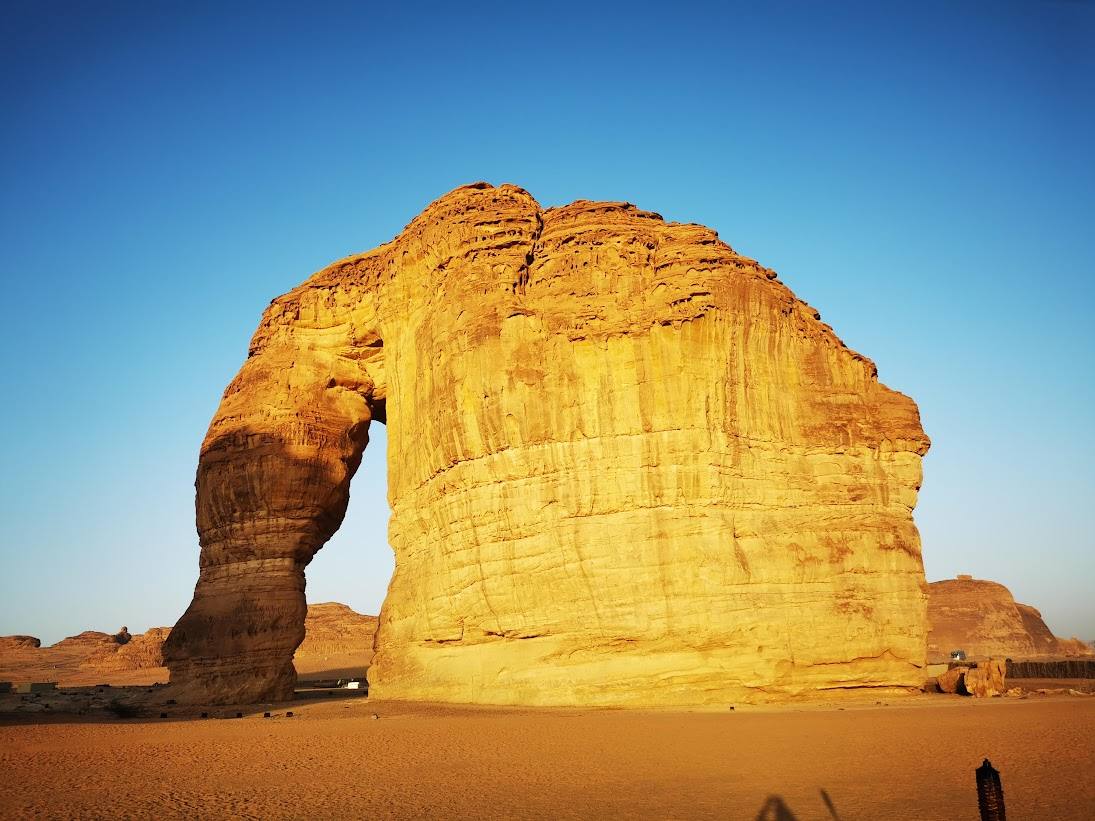
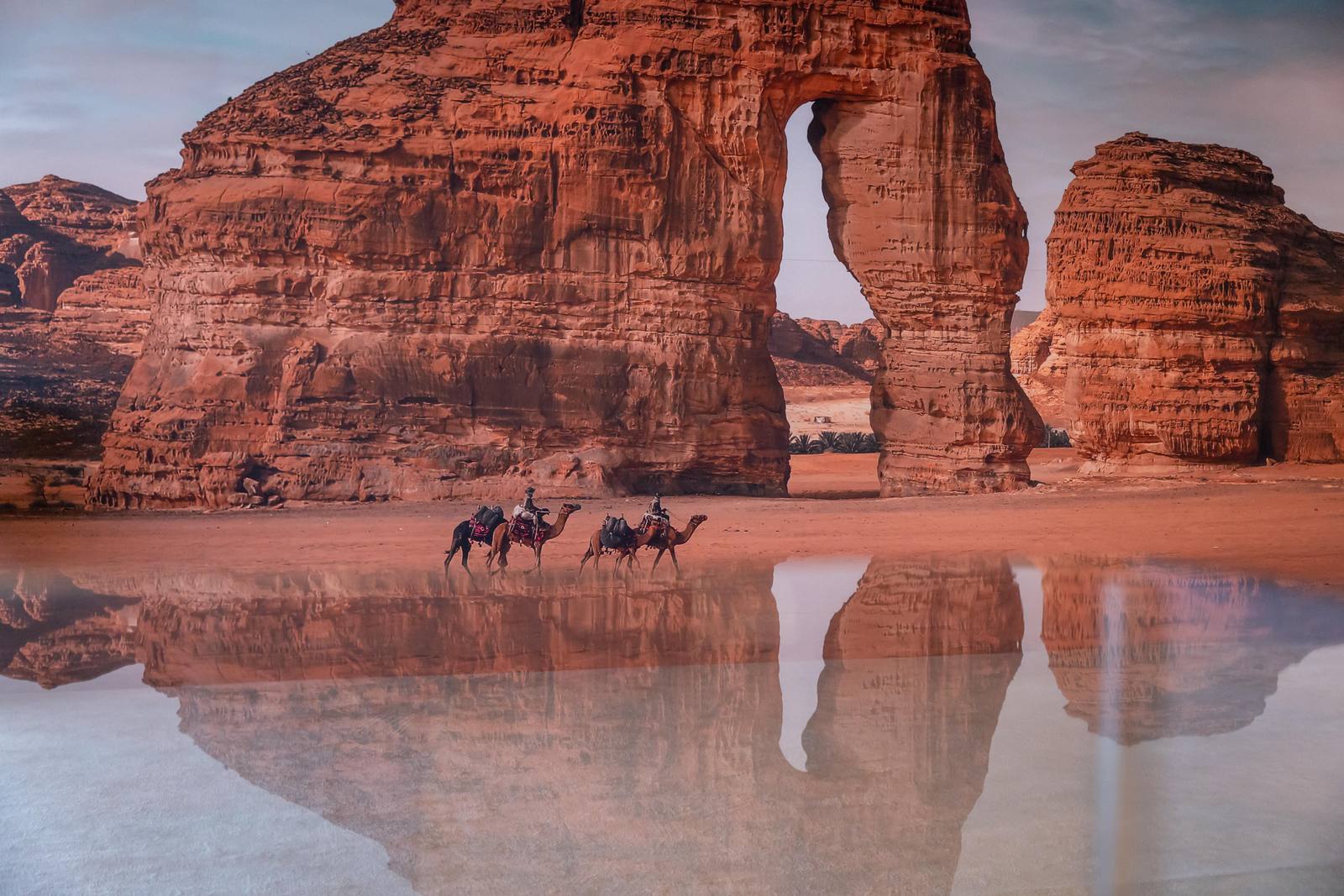
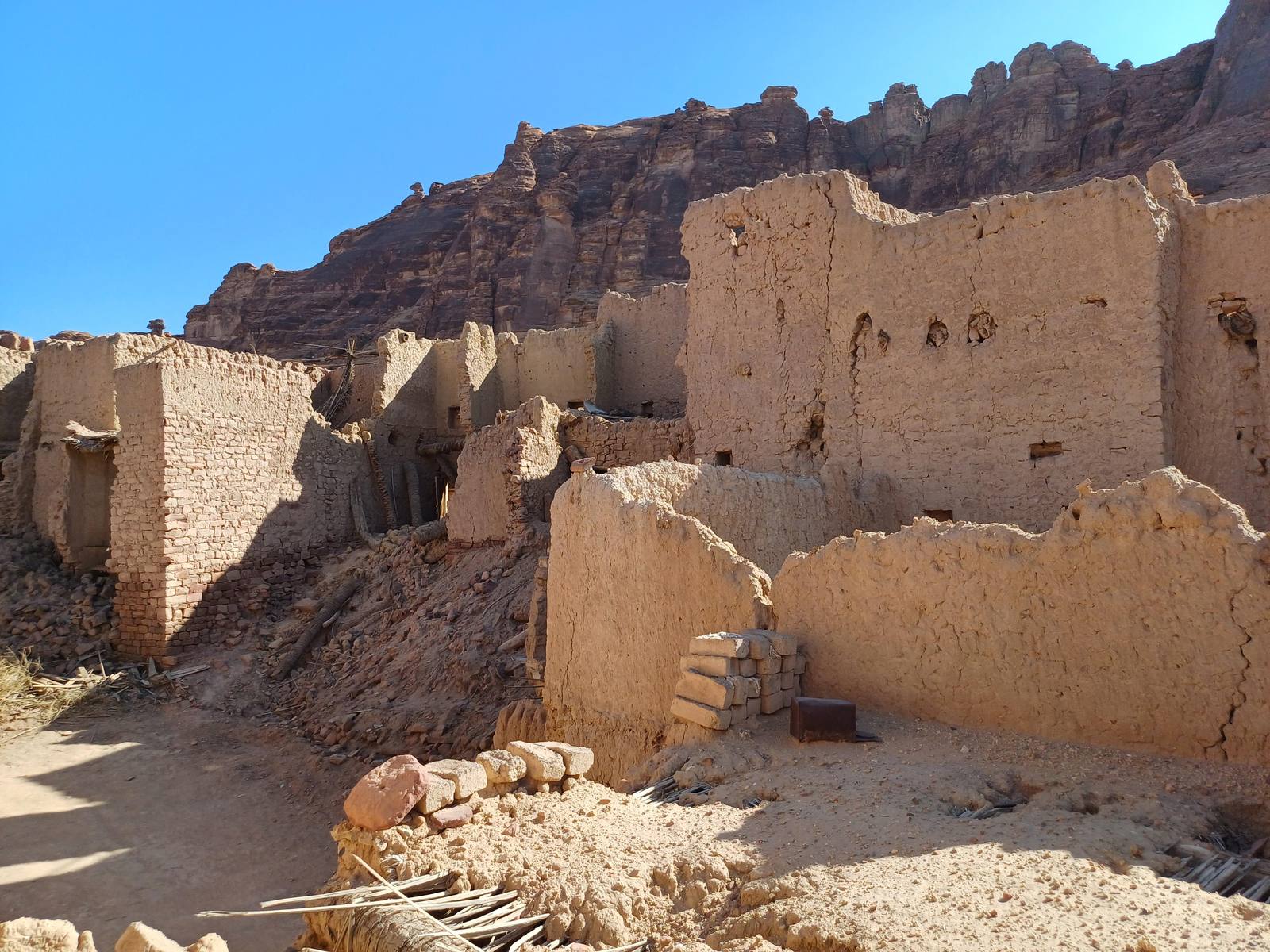
Then there is the sky. AlUla is home to two International Dark-Sky Association certified parks, Gharameel and AlUla Manara, making it one of the finest stargazing locations in the world. At ground level, the signature sunset is at Elephant Rock (Jabal AlFil), a wind-carved sandstone arch shaped unmistakably like an elephant, ringed by food trucks, fire pits, and low desert seating that fills as the rock turns deep orange. The old town of AlUla, a mud-brick village being carefully revived, rewards a lantern-lit evening walk.
The days fill easily beyond the antiquities. Hot-air balloon flights drift over the canyons at dawn; the Maraya concert hall, its mirrored facade reflecting the Ashar Valley, anchors the winter cultural calendar; and the desert camps run guided hikes, rock climbing, and vintage Land Rover tours into the surrounding wilderness. It is a destination that rewards three or four nights, not a day trip.
Dining has kept pace with the hotels. The valley's restaurant scene runs from clifftop fine dining at Maraya to casual grills in the old town, and the winter festivals add pop-up concepts through the season. Alcohol is prohibited throughout the Kingdom, so the drinks list is built around mocktails, specialty coffees, and fresh juices, and the date-based desserts are worth the trip alone. Guides are licensed and knowledgeable; book the headline experiences before arrival in peak season.
When to go and how to get there
The season is October to March, with December through February the golden months: daytime highs of 15 to 25 degrees Celsius, cold clear nights, and the richest cultural calendar. Winter at Tantora, the flagship festival, anchors December, joined by the arts festival, desert polo, and trail races through the winter. Avoid June through August, when temperatures exceed 40 degrees and the outdoor programme thins out.
AlUla International Airport (ULH) takes direct flights from Riyadh, Jeddah, and Dubai via Saudia and flynas, and the field handles private movements for travelers who prefer to arrive on their own schedule. Most nationalities can enter on a Saudi tourist e-visa, available to 66 countries. Two practical notes: alcohol is strictly prohibited throughout Saudi Arabia, and the currency is the Saudi Riyal, with credit cards and contactless payments widely accepted.
Where to stay
The resort bench is short by design. Our Habitas AlUla sits in the Ashar Valley in low-slung, canyon-colored villas with a minimal environmental footprint and a communal fire-pit gathering each evening, built around cultural programming and canyon experiences. Banyan Tree AlUla brings the brand's tented-villa grammar to the desert. The strategy is legible: a few brands, low density, architecture that defers to the rock. Book peak-season nights early, because the valley's room count is the constraint, not its ambition.
Photography: Saudi Press Agency