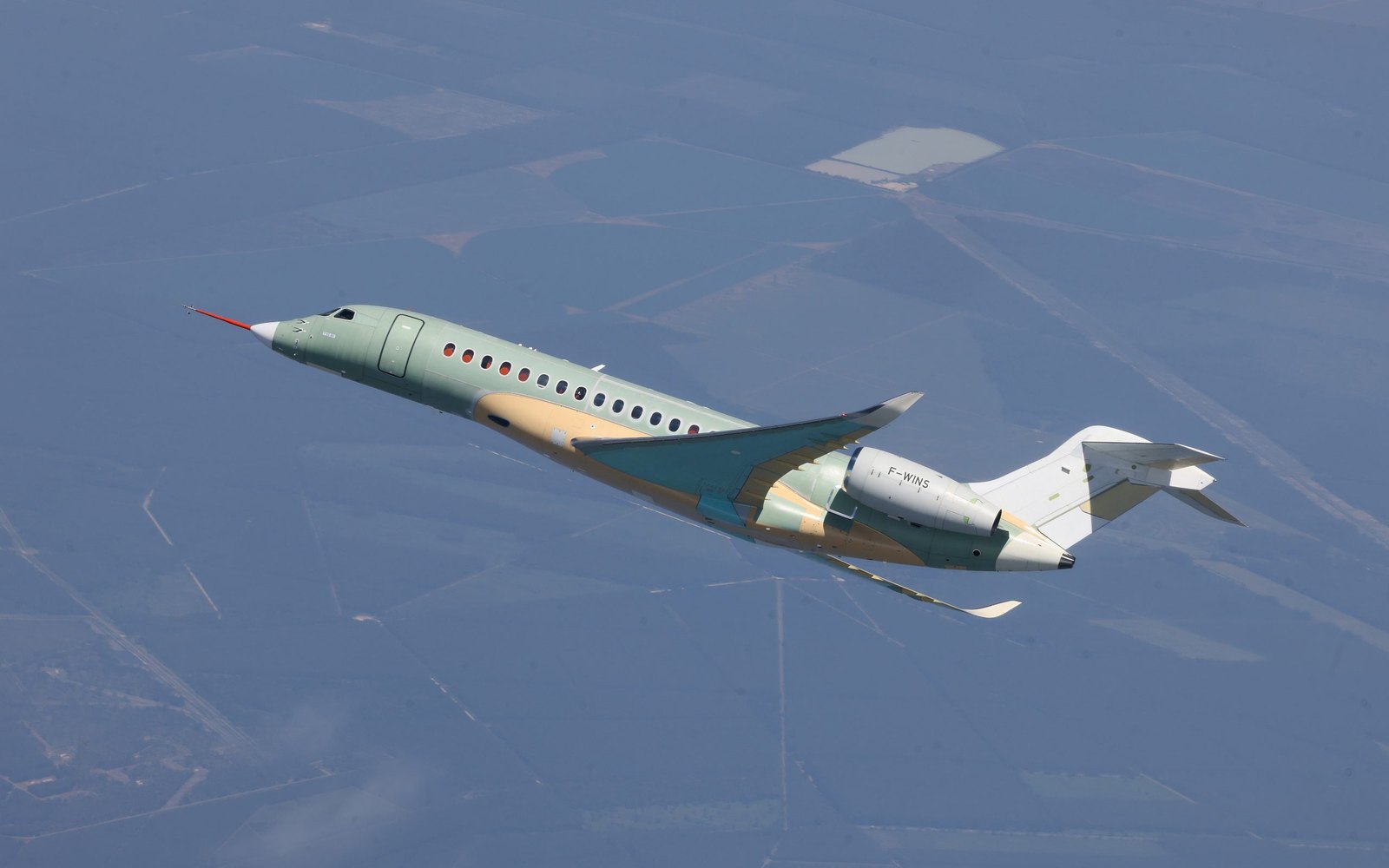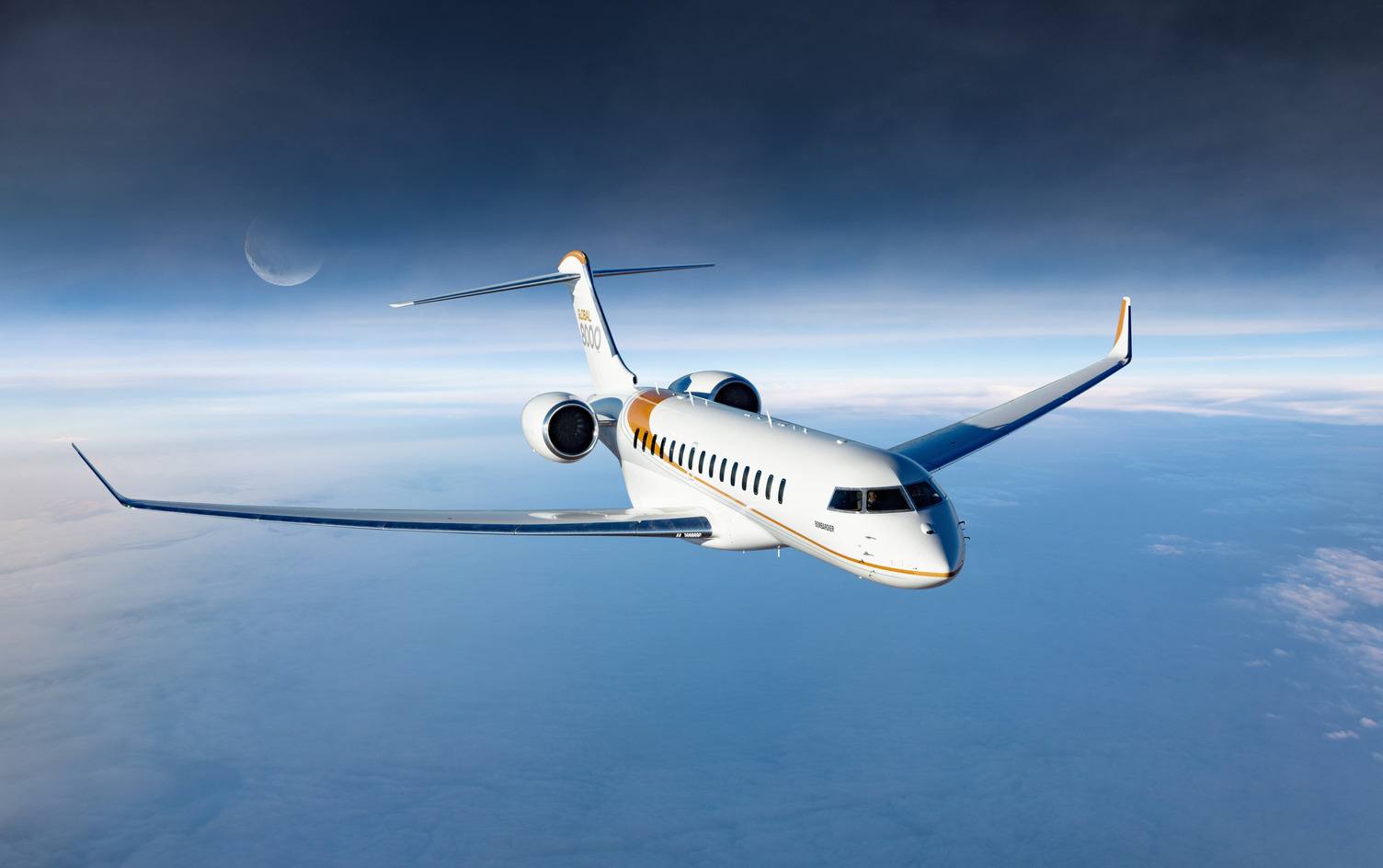
The fastest civilian aircraft since Concorde is now a working airplane. Bombardier delivered the first Global 8000 to fleet launch customer NetJets on March 26, 2026, at the company's Laurent Beaudoin Completion Centre, in front of employees, NetJets leadership, and guests. The type had entered service in December 2025, after Transport Canada certification on November 5, 2025, and FAA certification on December 19, 2025; EASA certification followed on January 23, 2026.
The headline numbers are the reason the program exists. Top speed is Mach 0.95, or 627 miles per hour, and range is 8,000 nautical miles, which Bombardier equates to 16.75 hours of flight. The pairing is deliberate: the 8000 is meant to fly the longest city pairs at near-supersonic cruise, compressing schedules that currently require a fuel stop or a slower cruise.
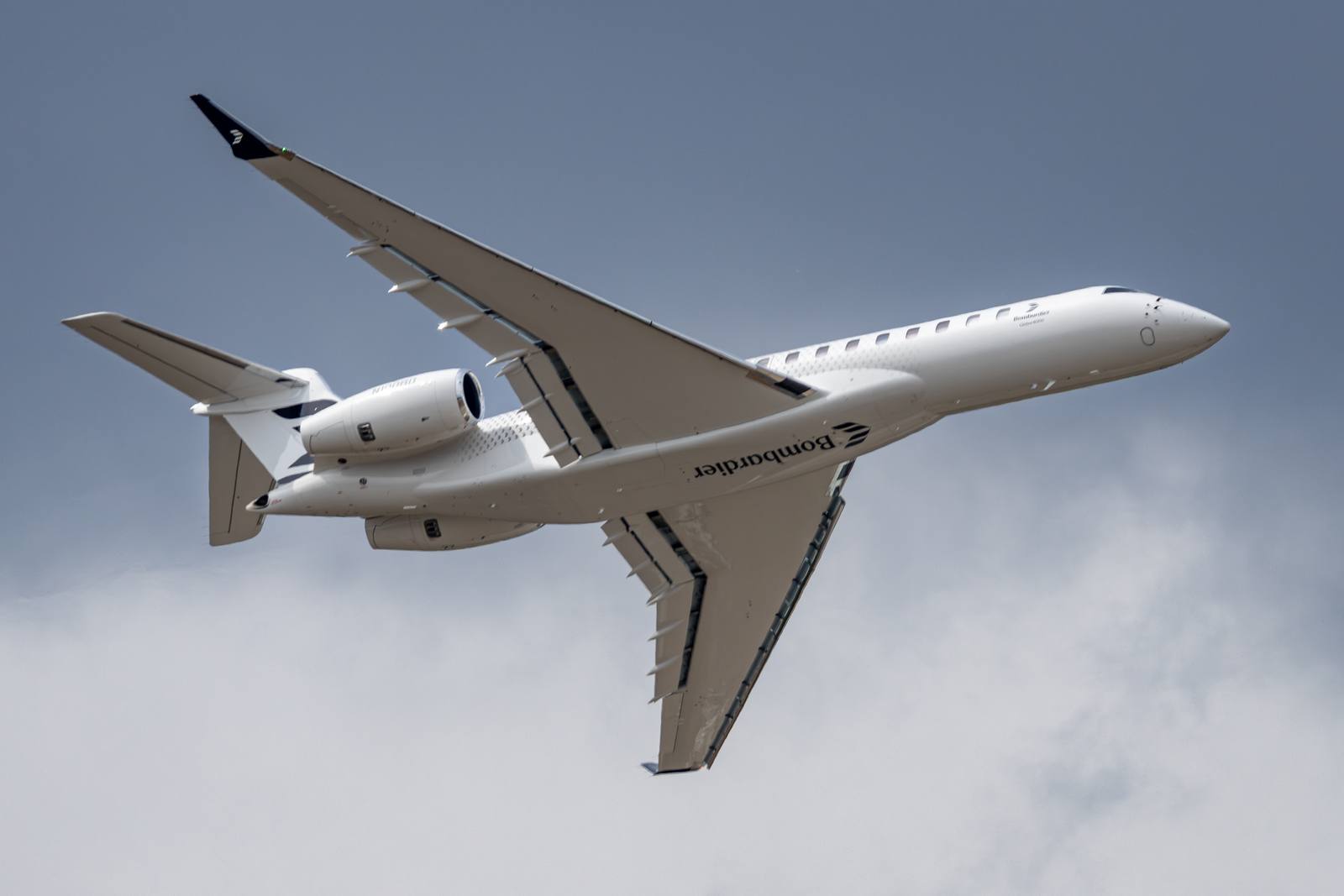
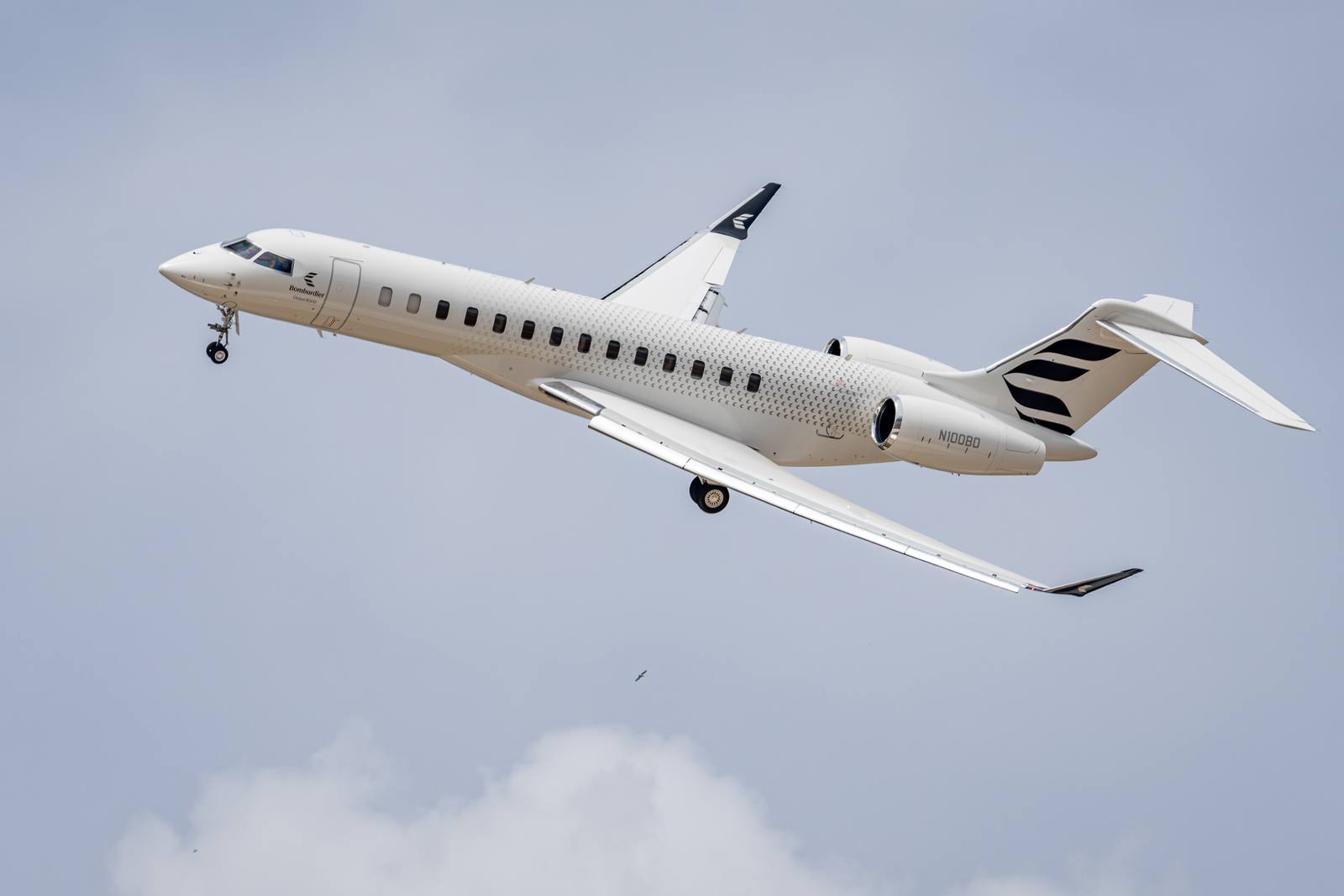
The wing deserves as much credit as the engines. The Global 8000's transonic wing, refined from the 7500 program, is what lets the aircraft cruise at Mach 0.95 while still lifting 8,000 nautical miles of fuel, and it is the reason the jet can use roughly 30 percent more airports than its closest rival, opening more than 2,000 new city pairs. At its 51,000-foot ceiling, the 8000 flies above airline traffic and most weather, where the air is thin and the ride is smooth.
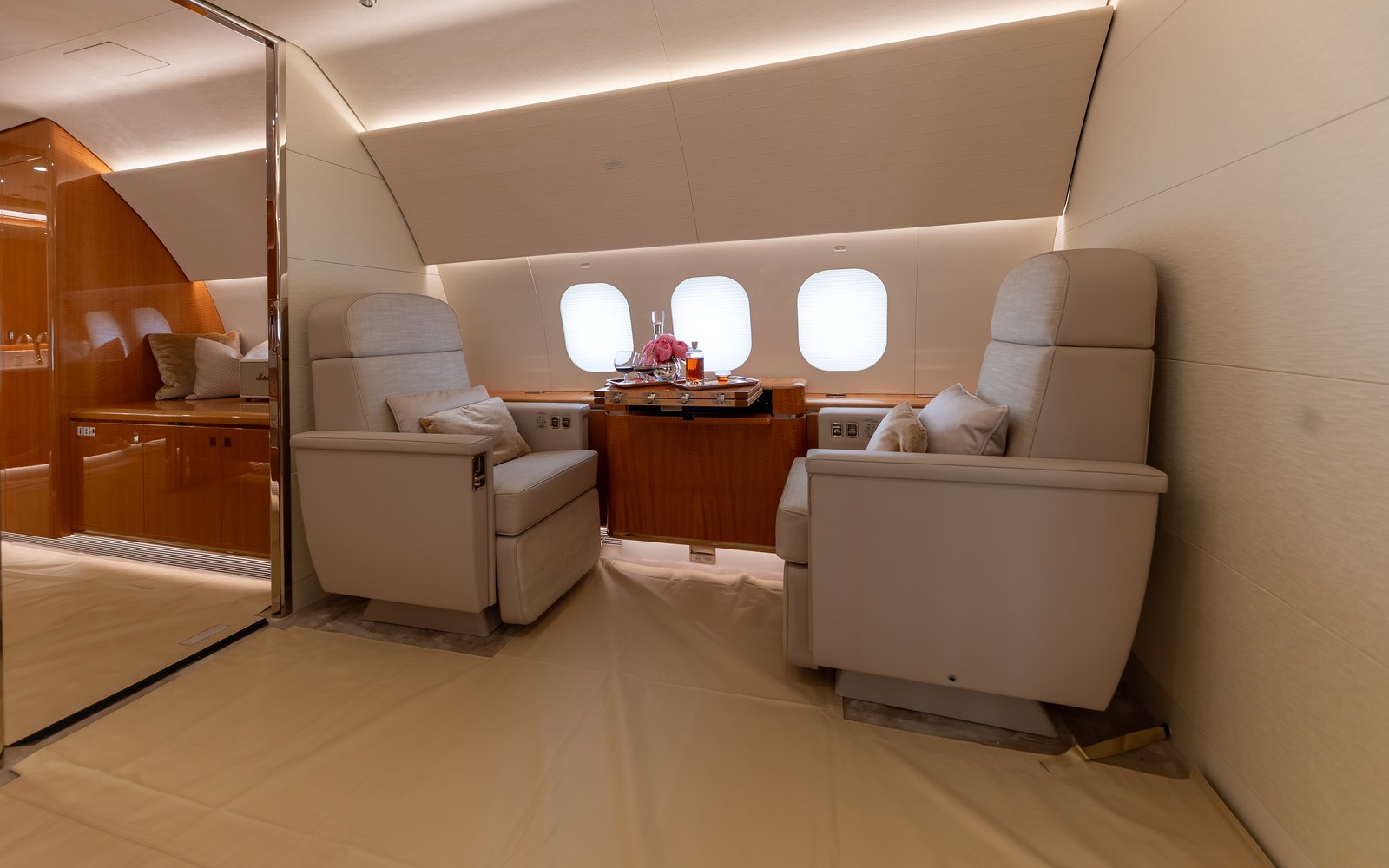
The third number matters most to the people in the back. At 41,000 feet, the Global 8000 holds a cabin altitude of 2,691 feet, the lowest Bombardier says any production business jet offers. Lower cabin altitude means less physiological strain on long sectors, which is the entire point of an airplane built for 16-hour flights. The cabin itself is divided into four zones, and the wing's advanced leading-edge slats give the aircraft access to roughly 30 percent more airports than its closest rival, on Bombardier's figures, which the company translates to more than 2,000 additional destinations.
“The Global 8000 is redefining the business aviation landscape with its unmatched performance, signature smooth ride and innovative design, and we are thrilled to be providing our longtime, valued partner NetJets with its first Global 8000 aircraft,” said Éric Martel, president and CEO of Bombardier. “With this landmark first delivery, NetJets’ clients will now be able to experience the revolutionary performance attributes and unmatched luxury the Global 8000 delivers – the most impressive business jet in the skies.”
Bombardier's cabin pitch is built around three systems. Pur Air is an advanced HEPA filtration setup with an activated-carbon scrubber; the Soleil lighting system is programmed around circadian rhythms and is claimed to help with jet lag; and the Nuage seating includes a zero-gravity position developed with aerospace-medicine input. Whether lighting defeats jet lag is a question for sleep scientists, but on a sixteen-hour sector, every marginal gain in arrival condition is worth having. The four zones are typically arranged as club suite, conference suite, private stateroom, and ensuite, though NetJets and private owners will each specify their own layouts; the 2,691-foot cabin altitude is the number passengers will actually feel.
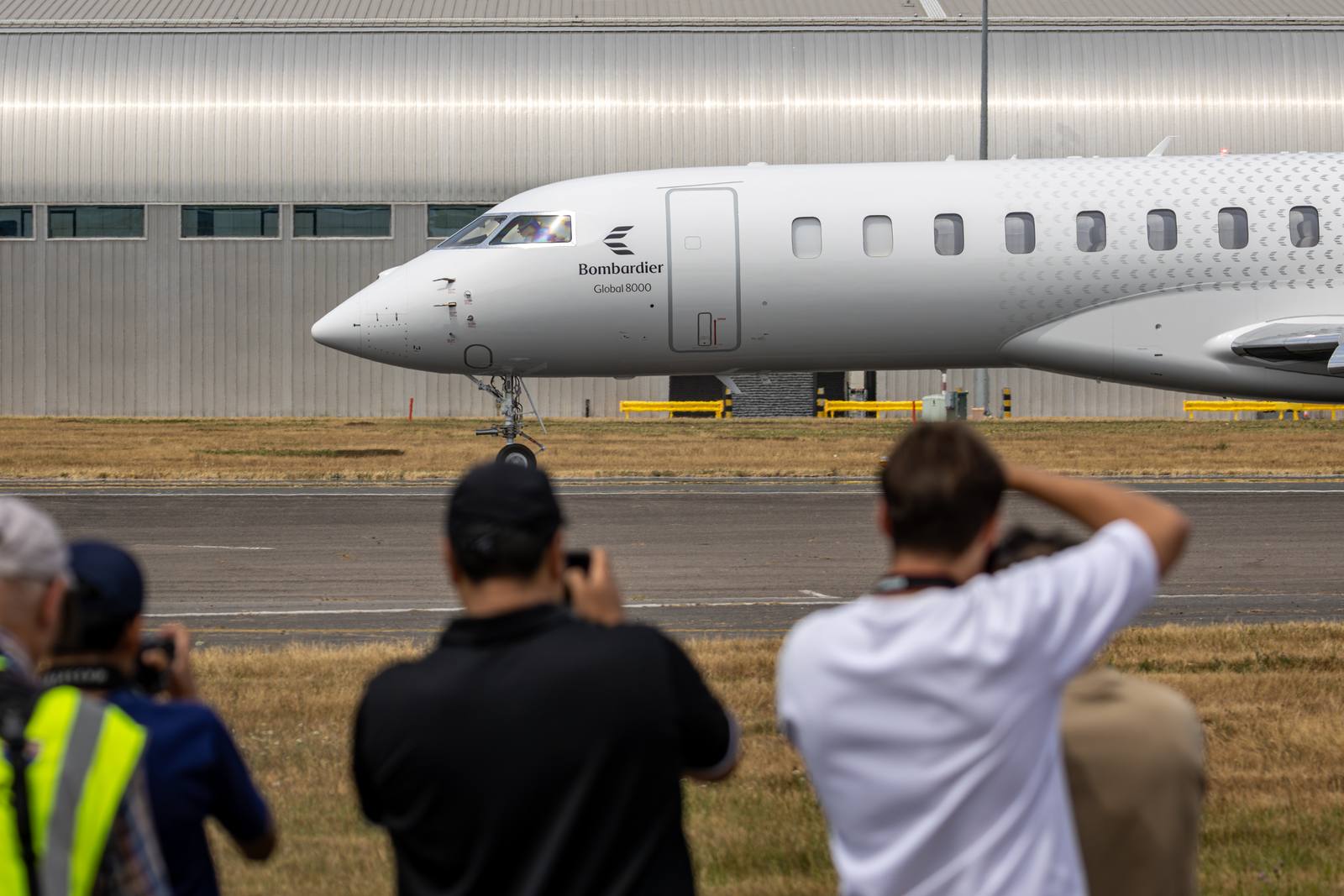
NetJets intends to build a 24-aircraft Global 8000 fleet and is working with Bombardier to upgrade its in-service Global 7500s to Global 8000 standard, with options that could grow the fleet further in the coming years. For the fractional giant, the type is the top of the ladder: the aircraft its owners step up to when the mission is intercontinental and the schedule is fixed.
The program's economics run through the installed base. By offering Global 7500 owners an upgrade path to 8000 standard, Bombardier turns its own back catalogue into the order book, and NetJets' commitment to convert part of its 7500 fleet is the template. The first production aircraft are moving through completion now; the open question for the rest of 2026 is how quickly deliveries keep pace with demand for the fastest civil jet flying.
The photographs in this article show Bombardier's Global 8000 flight-test aircraft, registration N100BD, photographed in 2024 before the type entered service; the first customer delivery went to NetJets in March 2026.
| Engines | 2x GE Passport |
|---|---|
| Top speed | Mach 0.95 (627 mph); fastest civil aircraft since Concorde |
| Range | 8,000 nm (16.75 hours) |
| Cabin altitude | 2,691 ft at 41,000 ft (lowest in production, per Bombardier) |
| Cabin zones | Four |
| Airport access | ~30% more airports than closest rival (~2,000+ destinations) |
| Certifications | Transport Canada Nov 5, 2025; FAA Dec 19, 2025; EASA Jan 23, 2026 |
| Entry into service | December 2025 |
| First customer delivery | NetJets, March 26, 2026 (24-aircraft fleet planned) |
Photography: Courtesy of Bombardier