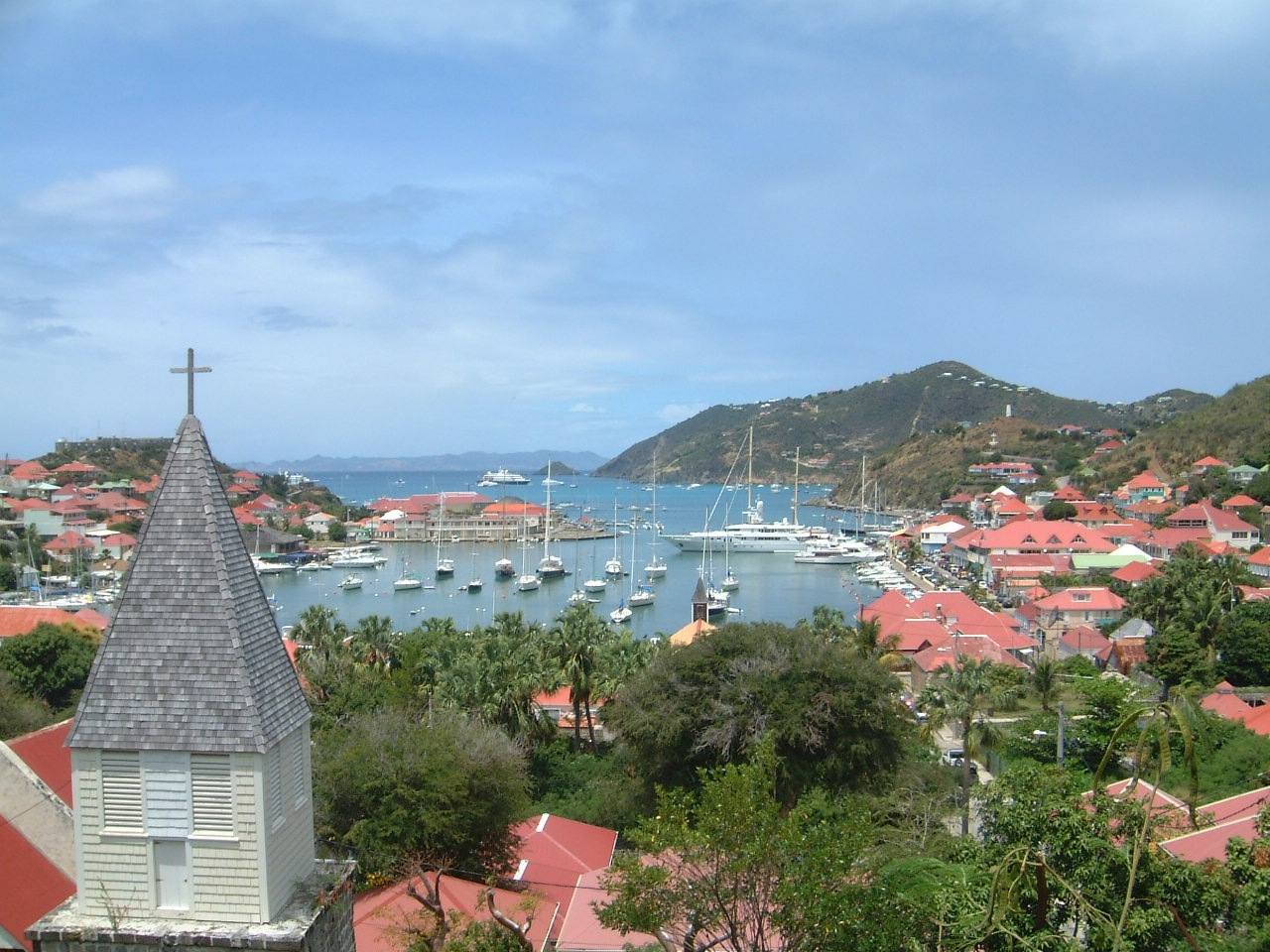
Saint Barthélemy is 21 square kilometres of French West Indies that functions as the Caribbean's private members' club: no mass tourism, no cruise ships of consequence, and an airport that enforces exclusivity by physics. Gustaf III Airport (SBH/TFFJ) has a runway of about 650 metres, and it accepts certified turboprops only: Pilatus PC-12s, Twin Otters, Cessna Caravans, King Air 350s, and Dornier 228s, flown by pilots with the specific site qualification. No private jet lands at St. Barths. The standard routing is a jet into Sint Maarten (SXM), then a short turboprop hop across, helicopter transfer, or the ferry from the Dutch side.
The connection is well oiled. Tradewind Aviation runs scheduled Pilatus PC-12 hops from Sint Maarten that take about 23 minutes gate to gate, and St Barth Commuter flies Twin Otters on the same corridor; both meet inbound private jets airside, so the transfer is a walk across the ramp rather than a second check-in. Helicopters do it in about fifteen minutes, and the ferry from the Dutch side takes under an hour, for travelers who prefer to arrive by sea.
That constraint is the island's filter, and its regulars would not have it any other way. The reward for the extra leg is Gustavia harbour at anchor, French administration and French gastronomy, designer boutiques in a village that closes for lunch, and fourteen beaches with almost no crowds outside the Christmas fortnight.
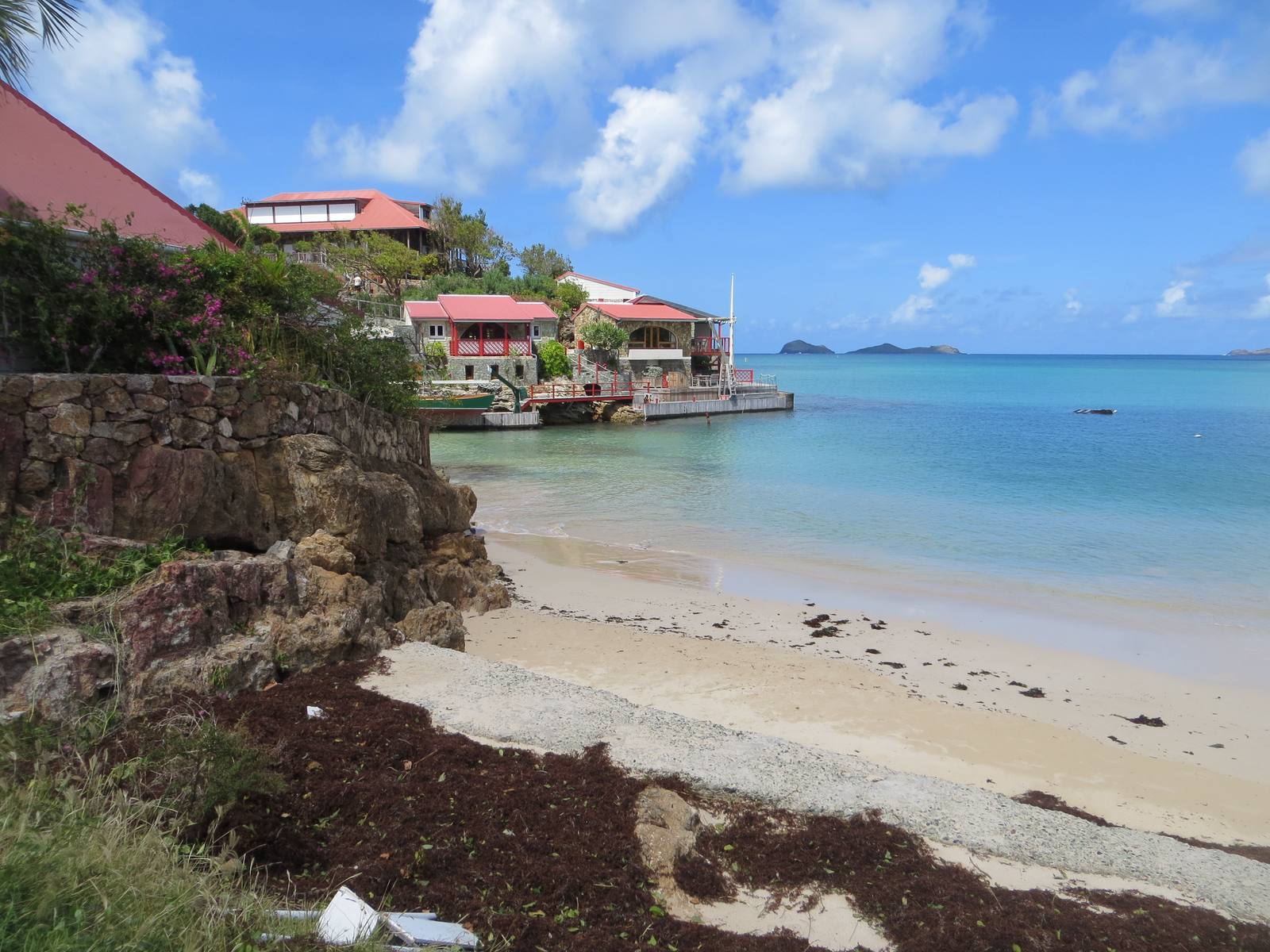
The hotels that define it
The island's touchstone is Eden Rock, the first hotel on St. Barths, opened in the 1950s by the island's larger-than-life pioneer Rémy de Haenen on a rocky promontory jutting into St. Jean Bay. Greta Garbo and Howard Hughes set the tone in the early years; the Matthews family bought the property in 1995 and rebuilt it after Hurricane Irma into a 37-room Oetker Collection address. The two restaurants, On the Rocks and the Sand Bar, are run by Jean-Georges Vongerichten, and the check-in gift is famously a bottle of Krug. Across the island at Baie des Flamands, Cheval Blanc St-Barth Isle de France offers the LVMH hospitality group's version of the island: white décor, private pools, and tailor-made excursions from private sailing to helicopter island tours.
The beaches divide by temperament. Saline and Gouverneur, on the south coast, are the wild ones: undeveloped crescents with no services beyond what you carry in. St. Jean and Flamands are the hotel beaches, with loungers, lunch service, and the calmest water. Colombier, reachable only by boat or the trail from Flamands, is the walk worth taking. Evenings belong to Gustavia, where the tables run from classic French to barefoot-luxury beach clubs, and the harbor performs its nightly parade of tenders.
When to go
St. Barths peaks for the fortnight between Christmas Eve and New Year's Day, when Gustavia harbour holds hundreds of yachts, hotels and villas are committed far in advance, and rates sit at multi-year highs. February to April is the calmer value window: the same beaches, the same restaurants, thinner crowds. The St. Barths Bucket Regatta each spring turns the island into sailing's most social week, worth planning around or deliberately avoiding.
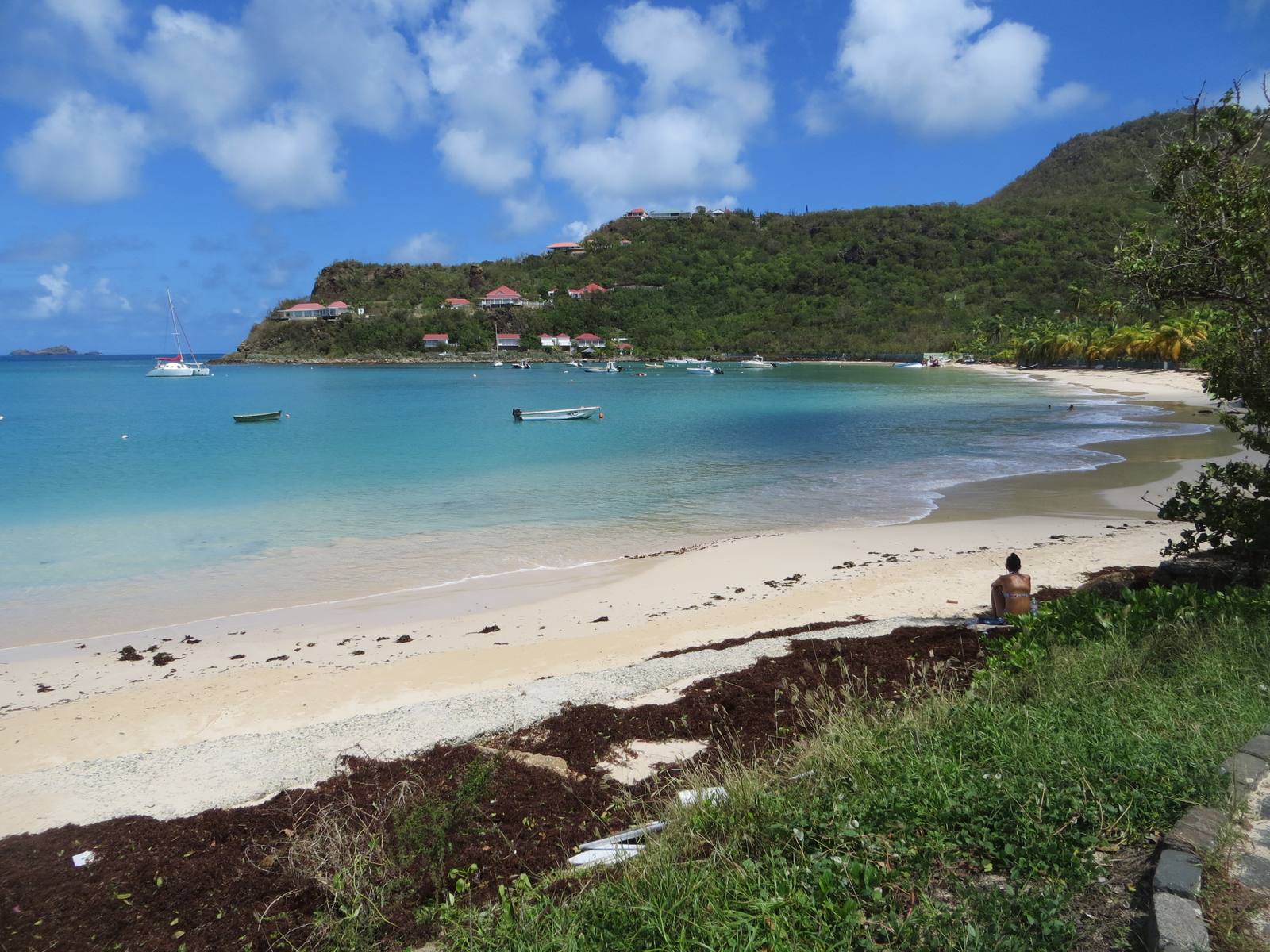
Days here have a rhythm the island enforces gently. Mornings at the beach the hotel claims, lunch long enough to matter, afternoons on the water or on the Saline track to the south-coast beaches, evenings in Gustavia. The Colombier Beach hike, reachable only by trail or boat, is the walk worth taking. Everything else is optional, which is rather the point of St. Barths.
Villas are the island's other accommodation currency. The best houses, with staff and chefs included, commit a year out for the Christmas fortnight, and the island's agencies handle everything from provisioning to yacht charter. For a first visit, a hotel week in February delivers St. Barths at its most relaxed, before the spring regatta season fills the harbor again.
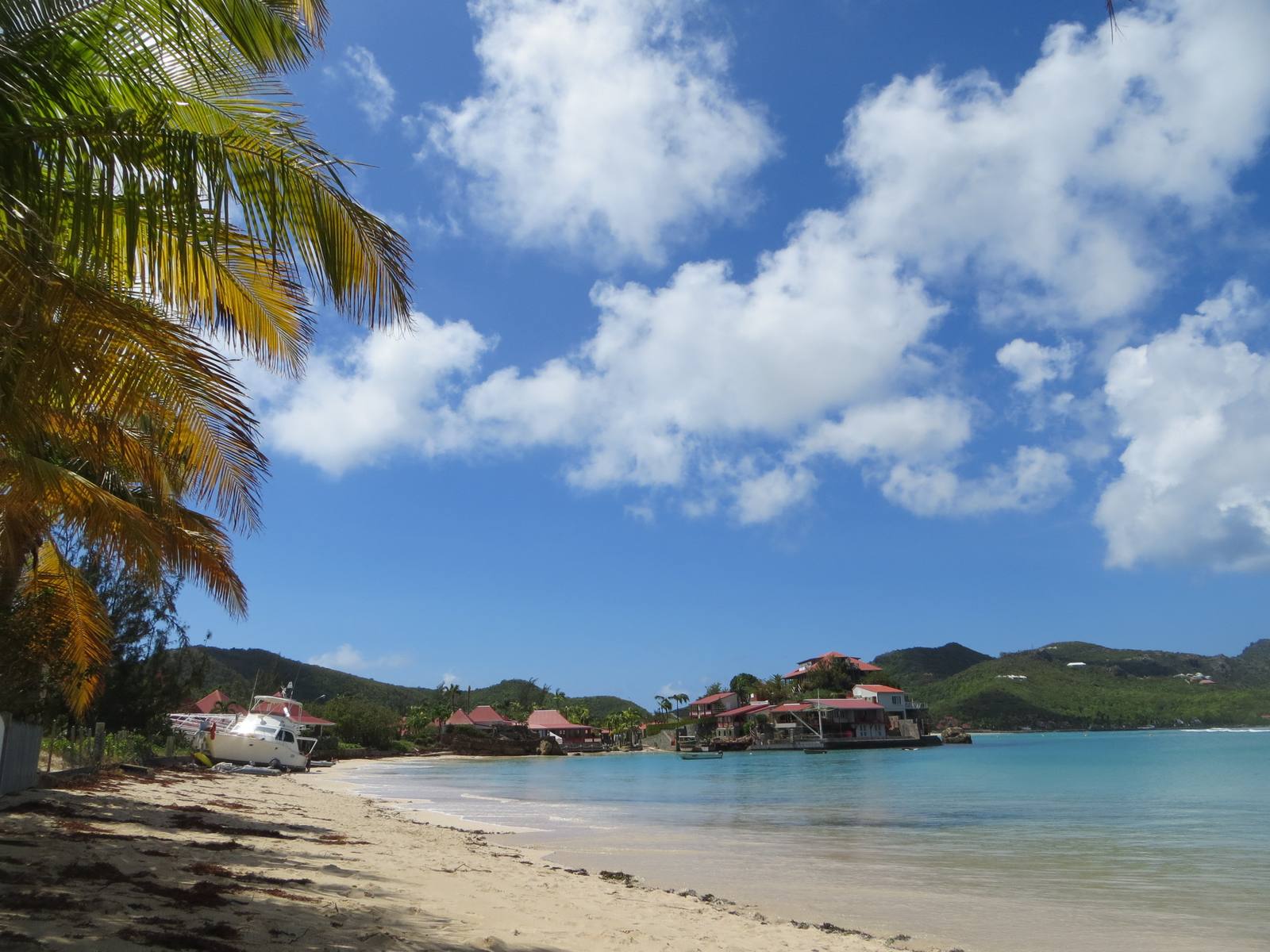
Photography: Evaneggers